other
Home

BLOG

BLOG

  • How Sulfuric Acid Catalyst Optimizes Conversion Efficiency in Contact Process Plants Jul 14, 2026
      Keywords: Sulfuric Acid Catalyst, Catalysts for Sulfuric Acid Production Used, Vanadium Catalyst The contact process has long been the standard and most efficient industrial method for mass sulfuric acid production across the globe. The overall productivity, energy consumption, and emission compliance of a sulfuric acid plant are overwhelmingly determined by the core reaction stage: the catalytic oxidation of sulfur dioxide (SO₂) into sulfur trioxide (SO₃). For this reason, choosing a high-performance Sulfuric Acid Catalyst is one of the most critical investments for plant stability, high yield, and low operational costs. Among all mainstream Catalysts for Sulfuric Acid Production Used in modern chemical manufacturing, Vanadium Catalyst stands out as the most stable, efficient, and cost-effective solution for all contact process production systems. How Vanadium Catalyst Improves Conversion Efficiency ? The oxidation of SO₂ is a reversible, exothermic chemical reaction that cannot reach industrial-grade high conversion rates under natural conditions. Without professional catalytic materials, the reaction proceeds extremely slowly, resulting in low raw material utilization and wasted production energy. High-quality vanadium catalyst effectively reduces the reaction activation energy, accelerates the reaction rate, and helps the system reach chemical equilibrium in a short time. It maintains stable and high catalytic activity within the common industrial temperature range of 380°C to 550°C, adapting to the variable operating conditions of multi-bed converters.     In addition, this professional Sulfuric Acid Catalyst boasts excellent anti-poisoning and anti-aging performance. It can resist interference from common flue gas impurities such as fine dust, trace fluorine, and arsenic substances, avoiding rapid activity attenuation and failure. With optimized internal pore structure and active component distribution, it greatly improves gas mass transfer efficiency inside the catalyst bed, eliminates reaction dead zones, and stably boosts the SO₂ comprehensive conversion rate of sulfuric acid plants to above 99.7%, maximizing raw material utilization and reducing tail gas emissions. Anhui Fitech Material — Professional Sulfuric Acid Catalyst Manufacturer Anhui Fitech Material is a professional and experienced manufacturer dedicated to the R&D, production, and customization of Catalysts for Sulfuric Acid Production Used. We focus on high-purity, high-stability vanadium catalyst products, serving medium and large-scale contact process sulfuric acid plants worldwide. With mature production technology, strict quality control systems and rich industrial application experience, our products have formed obvious competitive advantages in the industry:     High quality and stable performance: We adopt high-purity raw materials and standardized industrial production processes, with precise formula ratio control. Our catalysts feature high catalytic activity, excellent high-temperature resistance, mechanical strength and ultra-long service life, ensuring long-term stable operation of production equipment.   Full replacement capability with diverse models: We have a complete product model series, covering low-temperature start-up type, high-temperature resistant type, high-efficiency enhanced type and other mainstream specifications. All models can fully replace most mainstream catalyst brands on the market completely, with no need for equipment modification, process parameter adjustment or production adaptation, realizing seamless replacement.   Fast and reliable delivery: Equipped with standardized production workshops and sufficient raw material and finished product inventory, we efficiently respond to customer order demands. The standard delivery cycle for bulk orders is strictly controlled within 15–20 days, effectively solving the problem of slow supply in the industry and ensuring customers’ uninterrupted production schedules.   Complete and considerate service support: To facilitate customer performance verification and plant debugging, we provide free product sample testing services. All batches of products are equipped with complete qualification certificates and inspection reports, and fully support authoritative third-party institutional inspection, with reliable quality traceability. FAQ Q1: Why is vanadium catalyst the main catalyst for sulfuric acid production? A: Vanadium catalyst is the most mature and applicable special Sulfuric Acid Catalyst for contact process production. It has moderate reaction activation energy, a wide effective temperature window, strong anti-poisoning and anti-aging capabilities, and stable long-term catalytic performance. It can help plants achieve ultra-high SO₂ conversion rates and is far more cost-effective than other alternative catalytic materials.   Q2: Can Fitech catalysts replace other famous brands? A: Absolutely. Anhui Fitech Material’s full series of vanadium catalysts are developed and optimized according to international industrial standards. With complete model coverage and performance parameters consistent with mainstream imported and domestic brands, our products can completely replace most mainstream sulfuric acid catalyst brands in the market with zero adaptation cost and stable production effect.   Q3: What are the core advantages of Fitech’s sulfuric acid catalysts? A: Our catalysts integrate high activity, high stability and high durability. They feature high SO₂ conversion efficiency, strong thermal stability, excellent anti-fouling and anti-impurity poisoning ability, and longer overall service life. They can effectively reduce plant energy consumption, catalyst replacement frequency and maintenance costs, and improve comprehensive economic benefits of production.   Q4: How long is your standard catalyst delivery cycle? A: Relying on sufficient production capacity and spot inventory, we support fast bulk order shipment. Our fixed standard delivery cycle is 15 to 20 days, which efficiently meets customers’ routine replacement and emergency replenishment needs.   Q5: Do you support sample testing and third-party quality inspection? A: Yes, we fully support both services. We provide free customized product samples for customers to conduct performance testing and plant trial operation. Meanwhile, all finished products support authoritative third-party quality inspection, with complete qualification documents to ensure every batch of products meets international industrial standards.   Q6: Can you provide customized catalyst solutions for different plants? A: Yes. We have a professional technical team. According to customers’ actual plant process, SO₂ flue gas concentration, operating temperature and pressure, and production capacity requirements, we can recommend the most matching vanadium catalyst model and provide targeted technical support and solution optimization services. Conclusion High-performance Sulfuric Acid Catalyst is the core driving force for efficient, energy-saving and low-emission operation of contact process sulfuric acid plants. As a professional and reliable manufacturer of Catalysts for Sulfuric Acid Production Used, Anhui Fitech Material relies on high-quality replaceable vanadium catalyst products, complete product series, fast delivery capacity and professional full-cycle services, to provide stable and cost-effective catalytic solutions for global sulfuric acid production enterprises, helping customers continuously improve production efficiency and market competitiveness.

  • How to Prevent Caking in Commercial Magnesium Hydroxide Powder Shipments?
    How to Prevent Caking in Commercial Magnesium Hydroxide Powder Shipments? Jul 14, 2026
            Magnesium hydroxide powder is a widely used eco-friendly flame retardant and industrial additive, favored for its non-toxicity, high thermal stability, and superior smoke suppression performance in plastics, rubber, and coating industries. However,commercial magnesium hydroxide powder is highly hygroscopic. During long-distance ocean freight, temperature fluctuations and high container humidity easily cause moisture absorption, particle agglomeration, and magnesium hydroxide caking. This common shipment issue damages powder fluidity, affects end-product blending uniformity, and leads to customer returns and quality complaints.   The main causes of shipment caking are moisture infiltration, static particle adhesion, and excessive stacking pressure. Fine nano magnesium hydroxide powder and ultra-fine grades feature larger specific surface areas, making them more prone to absorbing ambient moisture and forming hard lumps. Without professional anti-caking treatment, even high-purity high purity magnesium hydroxide powder will lose stable powder characteristics after long transit times.   Reliable anti-caking solutions start from standardized packaging and shipping management. We adopt thickened moisture-proof inner lining and double-layer heat-sealed packaging to block humid air penetration. Strict warehouse dehumidification and constant-temperature filling reduce residual moisture inside packages. Meanwhile, scientific pallet stacking avoids heavy compression that causes particle compaction, effectively maintaining the loose state of industrial grade magnesium hydroxide.   For bulk orders and maritime shipments, we apply professional magnesium hydroxide anti-caking technology and add safe flow aids to weaken inter-particle adhesion. These processes perfectly preserve powder fluidity, ensuring lump-free delivery for flame retardant processing, environmental protection treatment, and polymer modification applications. Stable shipment quality makes our custom magnesium hydroxide powder a trustworthy choice for global industrial buyers.
  • UV Shield Zinc Oxide Powder vs. Titanium Dioxide: Which is Better for UV Protection?
    UV Shield Zinc Oxide Powder vs. Titanium Dioxide: Which is Better for UV Protection? Jul 10, 2026
            When it comes to safe, stable, and eco-friendly mineral UV protection, zinc oxide powder and titanium dioxide powder are the two most widely used physical UV filters in cosmetics, skincare, and industrial coating fields. Unlike chemical UV absorbers that degrade easily and cause skin irritation, nano zinc oxide powder and nano titanium dioxide powder provide long-lasting UV shielding, making them the top choices for high-standard sunscreen formulas and outdoor UV-resistant materials. Choosing the right mineral UV shielding powder is critical for product safety, finish texture, and outdoor durability.   The biggest advantage of pure zinc oxide for UV protection is its full-spectrum defense capability. As a high-performance zinc oxide UV filter, it effectively blocks both UVA and UVB rays. With excellent mildness and low sensitization, industrial grade zinc oxide powder and cosmetic-grade zinc oxide are perfect for sensitive skin sunscreens, baby care products, rubber UV additives, and weather-resistant exterior coatings. It delivers stable anti-aging and anti-powdering performance under long-term sunlight exposure.   In comparison, high purity titanium dioxide powder features stronger UVB shielding power and higher light transmittance. The refined cosmetic grade titanium dioxide creates a transparent, zero-white-cast finish, solving the whitening problem of traditional physical sunscreens. This transparent titanium dioxide is ideal for lightweight cosmetics, clear coating formulas, and high-gloss industrial products, offering smooth texture and excellent color retention.   In short, the choice of zinc oxide vs titanium dioxide UV filter depends on your application needs. Zinc oxide prioritizes full-spectrum protection and mildness, while titanium dioxide focuses on high transparency and strong UVB resistance. Both are reliable eco-friendly UV powder and non-irritating nano mineral UV blocker options for modern cosmetic and industrial manufacturing. manufacturing.
  • Industrial Applications of Thiourea: A Comprehensive Guide for Textile and Electroplating Sectors
    Industrial Applications of Thiourea: A Comprehensive Guide for Textile and Electroplating Sectors Jul 09, 2026
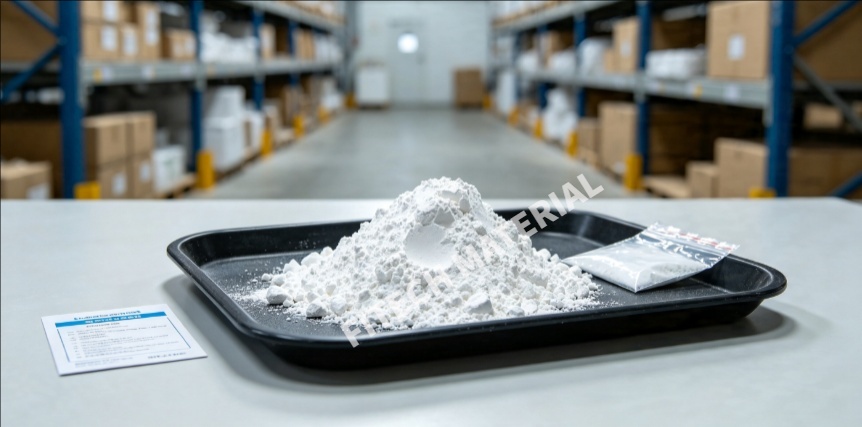
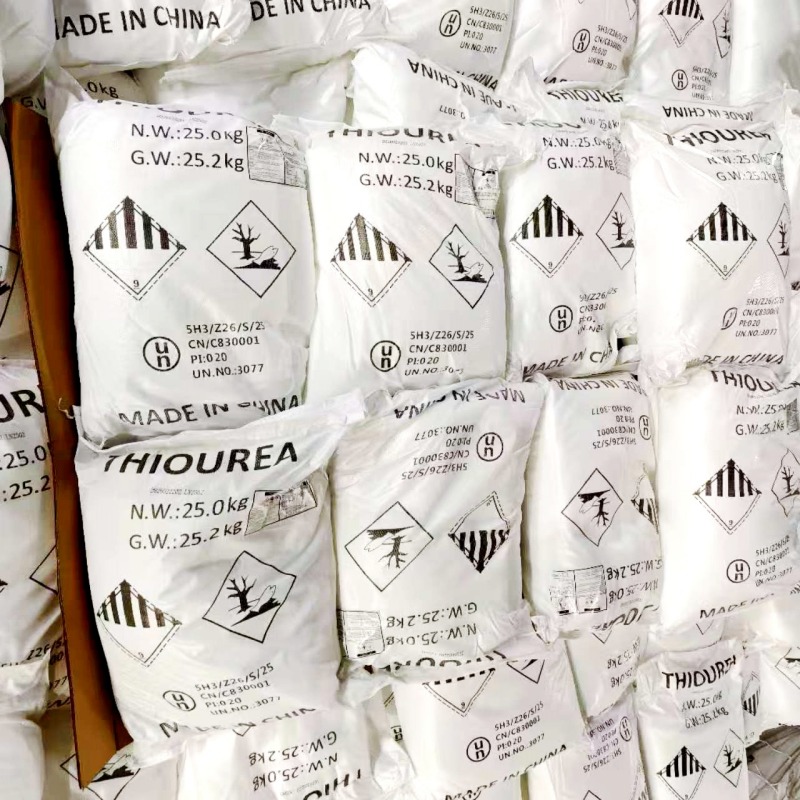
      Thiourea industrial grade is a vital sulfur-based chemical auxiliary widely adopted in textile printing, fabric finishing, metal electroplating and electroless plating industries. As a professional direct Thiourea factory, Anhui Fitech Material supplies premium 99% purity Thiourea with ultra-low impurities, stable batch consistency and factory competitive price. Our high-purity thiourea is the top choice for global industrial buyers seeking reliable, high-performance textile and electroplating chemical additives. This guide elaborates on the core properties, industrial functions and procurement advantages of 99% purity Thiourea, helping manufacturers and purchasing clients quickly understand product application scenarios and source qualified factory-direct thiourea.   1. Core Properties of Industrial 99% Purity Thiourea Our industrial 99% purity Thiourea is white crystalline powder with excellent water solubility, stable chemical activity and mild reaction characteristics. Compared with low-purity impure substitutes, thiourea from our reliable Thiourea factory features minimal impurity content, non-corrosiveness and high safety. It supports stable, continuous large-scale production, perfectly meeting strict processing requirements of modern textile and electroplating industries. 2. Main Industrial Applications of 99% Purity Thiourea 2.1 Thiourea Applications in Textile Industry Thiourea is a multifunctional essential auxiliary for textile manufacturing. High-standard 99% purity Thiourea effectively solves common textile processing defects and upgrades finished fabric quality, widely used in dyeing, wool treatment and functional finishing. Textile Dyeing Auxiliary: Promotes full dissolution of vat dyes and sulfur dyes, enhances dye penetration inside fibers, improves overall color uniformity and color fastness, with zero damage to textile fiber structures. Wool Processing Agent: Conducts mild carbonization and degreasing for raw wool, completely removes surface grease, grass impurities and lint, effectively improving wool softness, elasticity and surface smoothness. Fabric Functional Finishing Agent: Serves as an efficient cross-linking additive for anti-crease, shrink-proof and flame-retardant finishing, greatly improving the durability and comprehensive performance of cotton, linen and wool textiles. 2.2 Thiourea Applications in Electroplating Industry 99% purity Thiourea acts as a high-precision indispensable additive for metal electroplating and electroless plating. It is widely applied in copper plating, silver plating and alloy electroplating to optimize plating layer flatness, gloss and compactness. Electroplating Brightener: Refines metal crystal particles, eliminates plating pores and burrs, and produces ultra-smooth, high-gloss, uniform and dense electroplating layers. Metal Surface Activator & Cleaner: Removes surface oxide films and rust layers efficiently at low temperature, strengthens bonding force between plating layer and substrate, and avoids metal matrix corrosion and hydrogen embrittlement. Electroless Plating Stabilizer: Prevents spontaneous decomposition of plating solution, extends plating solution service life, and ensures pinhole-free, high-precision and flat electroplating finishes. 3. Professional Use & Storage Guidelines To maintain stable performance of industrial Thiourea: store in dry, ventilated and cool warehouses below 30°C to prevent moisture caking; control accurate dosing according to industrial formulas; wear standard protective gear during operation; treat wastewater professionally to comply with environmental protection discharge standards. 4. Anhui Fitech Material – Professional Thiourea Factory Advantages With the booming demand for high-end textile finishing and precision electroplating production, high-stability 99% purity Thiourea has become a must-have industrial chemical. As a leading Thiourea factory in China, Anhui Fitech Material owns standardized production lines, sufficient raw material reserves and strict quality inspection systems. We provide stable bulk supply, customized technical support and one-stop procurement services for global industrial customers. 5. Product Summary 99% purity Thiourea is a core auxiliary chemical for textile and electroplating industries. Factory-direct Thiourea provided by Anhui Fitech Material features high purity, ultra-low impurities and stable performance. It helps industrial manufacturers optimize production processes, raise product qualification rates and cut comprehensive production costs significantly. 6. FAQ (Buyer-Focused) Q1: What is the grade of your industrial thiourea products? A: We are a professional Thiourea factory specializing in premium 99% purity Thiourea. All products adopt industrial high-standard formulation, with ultra-low impurities and stable batch quality, fully compliant with international industrial standards for high-end textile and precision electroplating production. Q2: Do you provide free thiourea samples and third-party inspection reports? A: Yes. We offer free Thiourea sample testing for all global purchasers. Each batch of our 99% purity Thiourea can support third-party authoritative inspection and provide official test reports, supporting customer quality verification and project procurement review. Q3: What is your bulk order delivery cycle? A: As a direct manufacturer with sufficient inventory, we guarantee fast and stable shipment within 15–20 days after order confirmation, ensuring customers’ continuous and uninterrupted industrial production. Q4: What industries can your 99% purity thiourea be used for? A: Our high-purity Thiourea is mainly applicable to textile dyeing & finishing, wool degreasing & carbonization, fabric functional modification, as well as precision metal electroplating and electroless plating processing. Q5: What quality and after-sales support do you offer? A: We implement full-process quality control. Every batch of 99% purity Thiourea is attached with factory internal quality certificates and supports third-party testing. We also provide long-term professional technical guidance and after-sales service to solve customers’ industrial application problems.
  • Yttrium Oxide (Y₂O₃): The Versatile Rare Earth Material Powering Advanced Technologies
    Yttrium Oxide (Y₂O₃): The Versatile Rare Earth Material Powering Advanced Technologies Jul 08, 2026
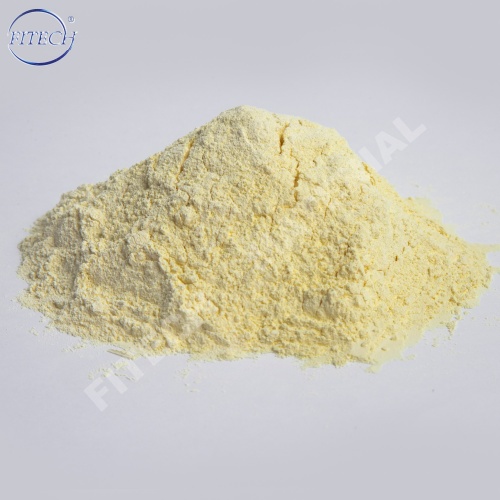
    Yttrium oxide (Y₂O₃), also known as yttria, is a high-performance rare earth oxide valued for its exceptional properties. With a melting point of approximately 2,430 °C, excellent thermal stability, chemical inertness, and corrosion resistance, this white powder is indispensable across multiple industries.     Key Applications:   In electronics and optics, Y₂O₃ serves as a phosphor in LED displays, a dielectric material in capacitors, and a critical component in high-performance optical coatings that improve light transmission and reduce reflection. It is also the foundation for yttrium aluminum garnet (YAG) lasers and solid-state laser systems.   In advanced ceramics, yttria is used to produce yttria-stabilized zirconia (YSZ) for high-temperature applications, transparent ceramics for infrared windows and missile domes, and oxide dispersion-strengthened (ODS) steel alloys. The semiconductor industry relies on high-purity (99.99%+) Y₂O₃ coatings for plasma-resistant protection of etching equipment.   As demand surges in 5G, electric vehicles, and defense systems, the yttrium oxide market is on a steady upward trajectory, with forecasts expecting robust growth well into the next decade. High‑purity grades (99.9%–99.999%) are available in powder, pellet, and tablet forms, ensuring precise compatibility with diverse manufacturing processes. From precision optics to next‑generation propulsion, Y₂O₃ remains the reliable, high‑performance material that turns ambitious concepts into real‑world breakthroughs.  
  • How Molybdenum Disulfide Powder Enhances Lubrication under Extreme Pressure: A Technical Guide
    How Molybdenum Disulfide Powder Enhances Lubrication under Extreme Pressure: A Technical Guide Jul 08, 2026
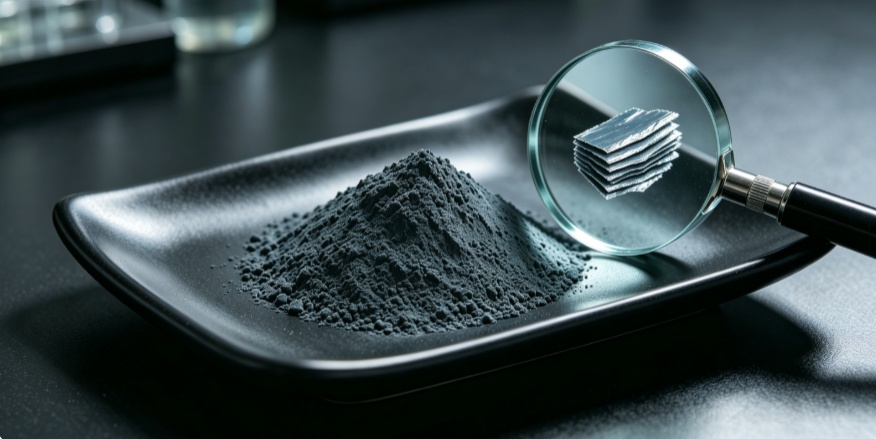
      Known as the King of Solid Lubricants MoS2, hexagonal crystal molybdenum disulfide lubricant is widely recognized for its exceptional high temperature and heavy load molybdenum disulfide lubricant performance. As a premium extreme pressure solid lubricant, it perfectly solves the common failure of ordinary lubricants and lithium grease under high heat, heavy pressure and long-term friction. Its unique layered molecular structure adopts weak van der Waals force bonding, which allows internal atomic layers to slide freely during operation, forming a dense and heat-resistant protective film on metal surfaces to isolate direct contact and stabilize friction reduction.         The high-temperature lubrication stability of molybdenum disulfide powder is mainly affected by purity, impurity content and particle size uniformity. Excess iron, silica and other impurities will cause abrasive wear and accelerate grease oxidation at high temperatures, while unreasonable particle size leads to poor dispersion and lubricating film defects. To solve these problems, we provide full-series micron grade MoS2 powder with 98% high purity and low impurity control, perfectly compatible with lithium complex grease.   Our graded MoS2 powder D50 particle size covers full micron specifications for diverse extreme-pressure scenarios. The coarse 16-30μm coarse micron MoS2 powder adapts to heavy-load mining machinery and steel mill equipment. The 12-16μm medium grade is ideal for automotive chassis and construction machinery lubrication. The 3-6μm fine micron molybdenum disulfide suits precision mechanical rails and mold anti-seize scenarios, while the 1-1.5μm ultra fine molybdenum disulfide powder fits high-speed miniature precision bearings.   As a professional high purity molybdenum disulfide powder manufacturer, our low-impurity molybdenum disulfide for lithium grease effectively delays grease deterioration, greatly improving high-temperature anti-wear and anti-seize performance. It is a premium industrial solid lubricant additive and reliable molybdenum disulfide anti seize paste raw material, providing customized particle size lubrication solutions for various extreme pressure industrial environments.
  • The "Heart" of Sulfuric Acid Production: The Mechanism of Vanadium Catalysts Jan 15, 2026
      In modern sulfuric acid plants, over 99% of the products are produced through the "contact process", with the core step being the efficient oxidation of sulfur dioxide (SO₂) to sulfur trioxide (SO₃). This reaction is thermodynamically feasible, but extremely slow in kinetics. Fitech vanadium catalyst is the "magician" that solves this bottleneck, with a sophisticated and efficient mechanism.    1. Core Reaction and Challenges The key reaction is: 2SO₂ + O₂ ⇌ 2SO₃ This is an exothermic, volume-reducing reversible reaction. Without a catalyst, even at high temperatures, the reaction rate is so slow that it cannot be used for industrial production.     2. The Essence of the Catalytic Active Center Fitech vanadium catalysts usually have V₂O₅ as the main active component, with K₂SO₄ and other alkali metal salts as co-catalysts, loaded on silica sand and other porous carriers. The true active center of Fitech catalyst is not the solid V₂O₅ itself, but a molten-state vanadium oxide sulfate complex formed with the co-catalyst at the reaction temperature (usually 400-600°C). This liquid film covers the carrier surface, providing an excellent mass transfer environment for the reaction.    3. Stepwise Oxidation-reduction (Mars-van Krevelen) Mechanism The outstanding performance of Fitech vanadium catalyst is due to its unique reaction mechanism, mainly following the "oxidation-reduction" cycle:    Step 1: Reduction Reaction of SO₂ Gas-phase SO₂ molecules diffuse to the active liquid film on Fitech catalyst surface and react with the high-valent vanadium (V⁵⁺). SO₂ is oxidized to SO₃, while the V⁵⁺ in the active center is reduced to the low-valent vanadium (V⁴⁺). (Simple Formula: SO₂ + 2V⁵⁺ + O²⁻ → SO₃ + 2V⁴⁺)    Step 2: Re-oxidation of the Catalyst The reduced V⁴⁺ active center cannot directly catalyze the next SO₂ molecule. At this time, oxygen (O₂) intervenes and combines with V⁴⁺, making it re-oxidize to the highly active V⁵⁺ state, completing the catalytic cycle. (Simple Formula: ½O₂ + 2V⁴⁺ → O²⁻ + 2V⁵⁺)    4. The Key Role of Co-catalysts The potassium salts and other co-catalysts are crucial. They: Form a low-melting-point alloy with V₂O₅, reducing the melting temperature of the active phase and ensuring its liquid state at the operating temperature.  Regulate the acidity and fluidity of the active phase, optimizing the adsorption and desorption ability of SO₂ and O₂.  Improve the stability of the catalyst, preventing the volatilization or deactivation of the active components.    5. Macroscopic Process Matching In the converter of the sulfuric acid plant, usually four to five catalytic beds are set. Fitech vanadium catalyst allows the plant to exchange heat between each bed, ingeniously utilizing the exothermic reaction: The front section starts at a higher temperature (such as 420-440°C) to obtain a high reaction rate; the rear section operates at a lower temperature (such as 400-420°C) to promote the shift of the equilibrium towards the generation of SO₃, achieving a total conversion rate of over 99.5%.    In summary, Fitech vanadium catalyst is not a simple solid surface. It forms a dynamic, molten-state active phase through an oxidation-reduction cycle mechanism, efficiently "transporting" oxygen atoms, transferring the oxidation ability of O₂ to SO₂, and significantly reducing the reaction energy barrier, driving the entire sulfuric acid production process to operate efficiently and economically. It is the indispensable "heart" of modern contact process sulfuric acid industry.
  • The Versatile Roles of Cobalt Tetroxide
    The Versatile Roles of Cobalt Tetroxide Dec 02, 2025
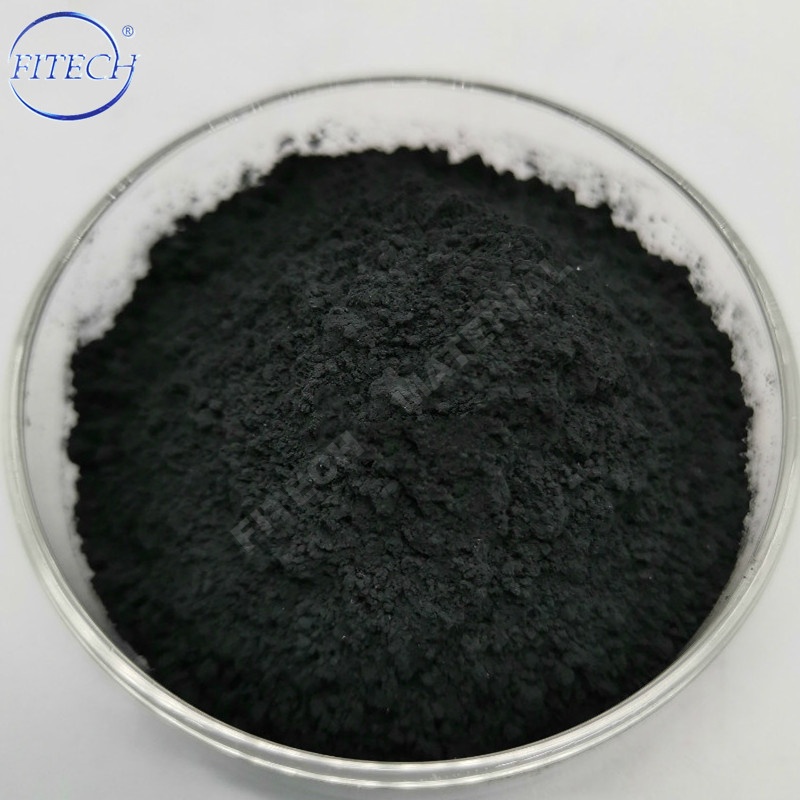
    In the world of advanced inorganic materials, few compounds offer the versatile performance of Cobalt Tetroxide, or Co₃O₄. This distinctive black powder is far more than a simple chemical; It's a critical enabler across industries ranging from clean energy to vibrant artistry. Its value lies in a unique combination of catalytic activity, electrochemical properties, and color stability.   From Lithium-Ion Batteries to the Road Ahead A primary and growing application of Co₃O₄ is in the realm of energy storage. It serves as a crucial precursor material in the synthesis of lithium cobalt oxide (LiCoO₂), the classic cathode chemistry that powers a vast array of consumer electronics like smartphones and laptops. Its well-defined structure allows for stable lithium-ion intercalation. Furthermore, as a transition metal oxide with multiple oxidation states, Co₃O₄ itself is a promising high-capacity anode material for next-generation lithium-ion batteries, attracting significant research interest for its theoretical performance.   A Catalyst for Environmental and Industrial Processes The catalytic prowess of Co₃O₄ is equally impressive. It acts as a highly effective catalyst in critical environmental reactions, most notably in the catalytic oxidation of volatile organic compounds (VOCs), helping to reduce air pollution from industrial emissions. It also accelerates the decomposition of oxidizers like ammonium perchlorate, making it valuable in specialized propellant formulations. In chemical manufacturing, it facilitates key oxidation reactions, underlining its role as an industrial workhorse.   The Signature of Ceramic Blue Beyond high-tech applications, Co₃O₄ has a timeless role in imparting color. It is one of the most powerful and stable blue pigments for ceramics and glass. Whether creating the deep blues of fine porcelain or neutralizing unwanted yellow tints in clear glass, it provides consistent, vibrant, and heat-resistant coloration that withstands the high temperatures of kilns and furnaces.   Ensuring Quality for Demanding Applications For manufacturers, the consistency of Co₃O₄ is paramount. Key specifications include: 1. High Purity (typically >99%): Minimizes impurities that could interfere with catalytic or electrochemical performance. 2. Controlled Particle Size and Morphology: Influences reactivity, sintering behavior, and dispersion in final products. 3. Specific Surface Area: A critical parameter for catalytic efficiency.   As a leading supplier, we provide high-purity Cobalt Tetroxide tailored to meet the stringent demands of these diverse applications. Our commitment ensures reliable material performance, whether you are developing next-generation batteries, manufacturing efficient catalysts, or producing stunning ceramic glazes.   Partner with us to power your innovation. Contact our technical team to discuss your specific Co₃O₄ requirements.
  • The Versatile Performer: Cerium Oxide in Modern Industry
    The Versatile Performer: Cerium Oxide in Modern Industry Nov 14, 2025
    Cerium Oxide (CeO₂) is a versatile rare earth compound with high purity and homogeneous particle size. It serves as a premier polishing agent for optics and glass, an efficient catalyst in automotive systems, and a potent UV blocker. This material ensures exceptional chemical stability and consistent performance across industrial applications. In the world of precision manufacturing, Cerium Oxide is the gold standard for polishing. It is the key ingredient in slurries used for achieving flawless, scratch-free surfaces on optical lenses, glass displays, and semiconductor silicon wafers. Its chemical-mechanical action allows for ultra-smooth finishes that are critical for high-performance optics and microchips. Beyond polishing, Cerium Oxide serves a vital role in environmental protection. As a primary component in automotive catalytic converters, it effectively reduces harmful emissions by converting toxic gases like carbon monoxide into less harmful substances. Furthermore, it acts as a powerful UV absorber in glass, protecting contents from sun damage, and is being explored in fuel cells and solar cells for its ionic conductivity and catalytic properties. From giving us clearer screens and cleaner air to enabling advanced energy solutions, Cerium Oxide truly is a quiet workhorse of modern innovation. As technology advances, its role is only set to expand, solidifying its status as a material of the future.  
  • Lanthanum Chloride & Lanthanum-Cerium Chloride: Advanced Solutions for Water Treatment
    Lanthanum Chloride & Lanthanum-Cerium Chloride: Advanced Solutions for Water Treatment Nov 07, 2025
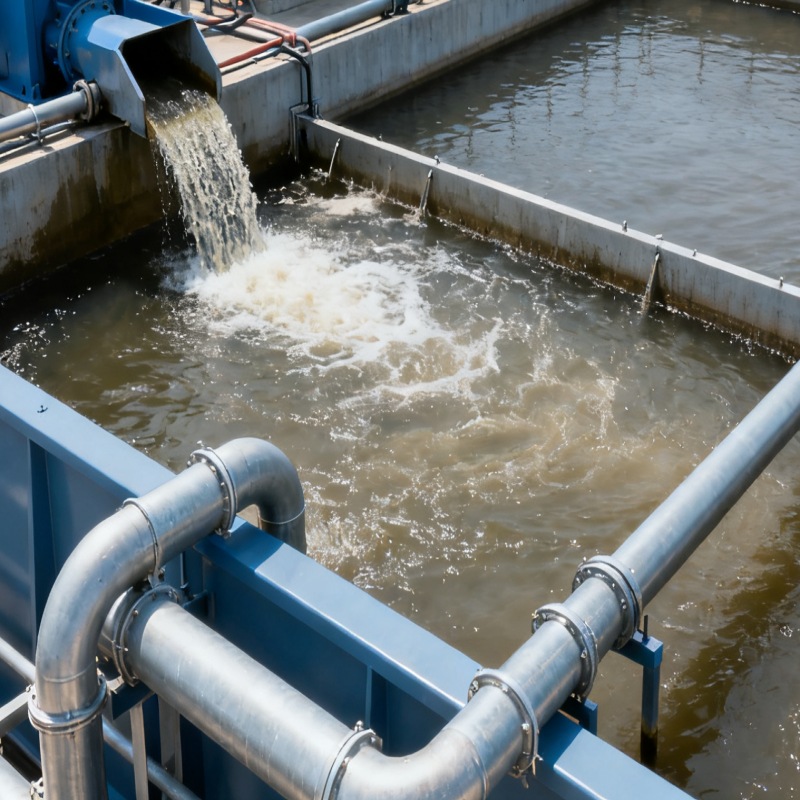
    In the pursuit of cleaner water, Lanthanum Chloride (LaCl₃) and Lanthanum-Cerium Chloride have emerged as powerful, specialized tools for targeted pollutant removal. These soluble rare earth salts offer highly effective solutions for modern water treatment challenges.   Lanthanum Chloride (LaCl₃): The Phosphate Specialist Lanthanum Chloride is renowned for its exceptional ability to target and eliminate phosphates, a primary cause of eutrophication in water bodies.   Key Mechanism: It works by forming an insoluble precipitate (Lanthanum Phosphate) upon contact with phosphate ions, permanently locking them away.   Primary Water Treatment Uses:   Wastewater Treatment: Efficiently removes phosphates from municipal and industrial wastewater to meet strict environmental discharge standards.   Lake & Pond Restoration: Used for in-situ treatment to control algal blooms by stripping the water of available phosphate.   Drinking Water Treatment: Helps in controlling phosphate levels to prevent scaling and inhibit bacterial regrowth in distribution systems.   Lanthanum-Cerium Chloride: The Versatile Purifier This blended compound leverages the synergistic effects of lanthanum and cerium, providing a robust solution for more complex water matrices.   Key Mechanism: While lanthanum targets phosphates, cerium contributes to the removal of other contaminants through its own reactive properties.   Primary Water Treatment Uses:   Complex Industrial Effluents: Effective in treating wastewater containing mixed pollutants, including phosphates and certain heavy metals.   Enhanced Flocculation: Can aid in the settling of fine suspended particles, improving water clarity.   A Cost-Effective Option: Often serves as a more economical alternative to pure Lanthanum Chloride for large-scale applications where ultimate specificity is not required.   Choosing the Right Product:   Choose Lanthanum Chloride for maximum efficiency and precision in dedicated phosphate removal.   Choose Lanthanum-Cerium Chloride for broader action in complex wastewater or where cost-effectiveness is a priority.   As a leading supplier, we provide high-purity grades of both products tailored for environmental applications. Contact us to discover how our rare earth chlorides can provide a superior solution for your water treatment challenges.  
1 2 3
A total of3pages

leave a message

leave a message
If you are interested in our products and want to know more details,please leave a message here,we will reply you as soon as we can.
submit

Home

Products

WhatsApp

contact

Enter product details (such as color, size, materials etc.) and other specific requirements to receive an accurate quote.
leave a message
If you are interested in our products and want to know more details,please leave a message here,we will reply you as soon as we can.
Submit