other
Home

BLOG

BLOG

  • Best Practices for Storing and Handling Highly Reactive Rubidium Carbonate Jul 24, 2026
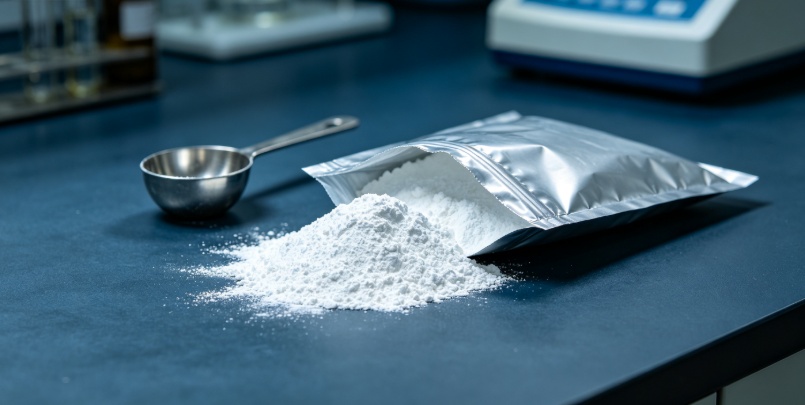
      Keywords: Rubidium Carbonate, 99.9% Rubidium Carbonate, Rb2CO3, Dirubidium carbonate   As a high-value alkali metal compound, Rubidium Carbonate (Rb2CO3), also known as Dirubidium carbonate, is widely applied in new energy batteries, special ceramics, catalyst manufacturing and electronic material synthesis. Among various commercial specifications, 99.9% Rubidium Carbonate stands out in the battery industry due to its ultra-low impurity content and stable chemical properties. However, Rb2CO3 is highly hygroscopic and chemically reactive, prone to moisture absorption, agglomeration and purity degradation if stored or handled improperly. To preserve its high purity and ensure production safety, standardized storage and handling procedures are essential. This article summarizes the authoritative best practices for the daily storage, transportation and operational management of Dirubidium carbonate, providing reliable guidance for industrial and laboratory applications.   1. Core Chemical Properties of Rubidium Carbonate (Rb2CO3) Before mastering storage and handling norms, it is necessary to clarify the key characteristics that determine the management standards of 99.9% Rubidium Carbonate. Dirubidium carbonate is a white crystalline powder with strong hygroscopicity and weak alkalinity. It is easily soluble in water but insoluble in ethanol. Exposed to humid air, it will rapidly absorb moisture and carbon dioxide, resulting in agglomeration, component changes and reduced purity, which seriously affects its performance in high-precision battery material synthesis. In particular, battery-grade 99.9% Rubidium Carbonate has extremely strict requirements on impurity control. Trace moisture, dust or acidic contamination will directly affect the electrochemical stability and cycle life of battery products. Therefore, all storage and handling operations must focus on moisture-proof, sealed, isolated and dust-free management.     2. Professional Storage Best Practices for 99.9% Rubidium Carbonate The storage quality of Rubidium Carbonate directly determines its purity stability and service life. Combined with industrial safety specifications and material characteristics, the following standardized storage rules are formulated, especially suitable for high-purity Rb2CO3 used in the battery industry.   2.1 Strictly Controlled Storage Environment Store Dirubidium carbonate in a cool, dry, well-ventilated and dust-free professional chemical warehouse. The ambient temperature should be maintained at 2-25°C, and the relative humidity must be strictly controlled below 50% to avoid moisture absorption and deterioration. It is forbidden to place Rb2CO3 in direct sunlight, high-temperature areas or humid corners, and keep away from heat sources, open flames and temperature fluctuation environments. In addition, the storage area must be isolated from acidic substances, strong oxidants, edible chemicals and volatile corrosive materials to prevent chemical reactions and cross-contamination. Independent partition storage is recommended for high-purity 99.9% Rubidium Carbonate to ensure a single and stable storage environment.   2.2 Sealed Packaging and Placement Norms High-quality 99.9% Rubidium Carbonate adopts vacuum double-layer aluminum-plastic sealed packaging to isolate air and moisture. After each use, the packaging bag must be immediately sealed tightly to avoid long-term exposure to the air. For bulk stored Rb2CO3, use fully sealed inert gas protection containers for auxiliary storage to further reduce the risk of moisture absorption and carbonization. During stacking, place the products neatly on dry wooden pallets, keep a safe distance from the ground, wall and ceiling, and avoid extrusion, damage and water soaking of the packaging. It is forbidden to stack randomly or mix with other chemical materials to ensure the purity and integrity of Dirubidium carbonate.   2.3 Long-Term Storage Management For long-term stored Rubidium Carbonate (Rb2CO3), regular inventory inspection is required. Check whether the packaging is intact, whether there is moisture agglomeration or discoloration, and record the storage environment parameters. Once abnormal conditions are found, isolate the products in time and test the purity to avoid using deteriorated materials in battery production and causing product quality problems.   3. Standard Handling & Operational Guidelines for Rb2CO3 The high reactivity and hygroscopicity of Dirubidium carbonate require standardized manual handling, feeding and sampling operations to ensure personnel safety and material purity stability. The core operating specifications are as follows:   3.1 Pre-Operation Preparation Operators must wear professional protective equipment, including dust-proof masks, chemical-resistant gloves and protective goggles, to avoid inhalation of dust and direct contact with skin and eyes. The operating area must be kept clean, dry and well-ventilated, with no acidic or volatile pollutants. All operating tools must be clean and dry to prevent impurity contamination of 99.9% Rubidium Carbonate.   3.2 Sampling and Feeding Operation The sampling and feeding process of Rubidium Carbonate should be completed quickly to minimize air exposure time. It is forbidden to operate in a humid environment or in windy and dusty conditions. After sampling, the packaging must be sealed immediately. For battery-grade high-purity Rb2CO3, dust-free workshop operation is recommended to effectively avoid external impurity doping and ensure ultra-low impurity indicators of the material.   3.3 Post-Operation Treatment After handling, clean the operating site in time, remove residual dust, and uniformly recycle and treat waste materials in accordance with chemical safety specifications. Operators need to clean their hands and face thoroughly, and it is forbidden to eat, drink or smoke in the operating area to ensure personal safety. In addition, record the operation time, usage and material status to form a complete material management file.   4. Transportation & Emergency Handling Tips During transportation, 99.9% Rubidium Carbonate packaging must be intact and sealed, with anti-collision and moisture-proof measures. Avoid violent vibration, extrusion and rain soaking during transportation, and strictly prohibit mixed transportation with acidic and oxidizing chemicals. After arriving at the warehouse, inspect the packaging integrity and material status first, and then store it in a classified manner. In case of accidental leakage or sprinkling, avoid dust generation, gently sweep up the materials and place them in a sealed container for recovery or harmless treatment. In case of skin or eye contact, rinse with a large amount of clean water immediately; in case of accidental inhalation, move to a ventilated area in time and seek medical treatment if discomfort occurs.   5. Reliable High-Quality Rubidium Carbonate Supplier: Anhui Fitech Material In the battery industry and high-precision material manufacturing, the purity and stability ofRubidium Carbonate (Rb2CO3) directly determine the final product performance. Anhui Fitech Material is a professional and reliable manufacturer of 99.9% Rubidium Carbonate, focusing on the R&D, production and sales of high-purity Dirubidium carbonate, and has won wide recognition in the industry with superior product quality and perfect service system.   Core Advantages of Anhui Fitech Material 99.9% Rubidium Carbonate:   Ultra-high purity & ultra-low impurities: The product purity is stably maintained at 99.9% min, with strictly controlled trace metal and non-metal impurities, fully meeting the high-standard application requirements of the battery industry, and effectively improving battery electrochemical performance and stability. Professional battery-grade customization: Targeted formula optimization for new energy battery materials, stable chemical properties, strong hygroscopic resistance, suitable for various battery material synthesis and supporting processes. Fast delivery cycle: Sufficient spot inventory and standardized production scheduling, the conventional delivery cycle is 15-20 days, which efficiently meets customers' urgent production needs. Full-process service support: Free product samples are provided for customer testing and verification; support third-party authoritative inspection, with complete product quality inspection reports and technical documents, and transparent quality control. Strict quality control system: Adopt refined production and purification processes, implement full-process quality monitoring from raw material screening to finished product packaging, to ensure batch stability and high consistency ofDirubidium carbonate.   6. FAQ About Rubidium Carbonate (Rb2CO3) Q1: What is the main application of 99.9% Rubidium Carbonate? A: 99.9% Rubidium Carbonate is the mainstream high-purity grade, which is mainly used in the battery industry, as well as high-end catalyst preparation, electronic ceramic materials, optical glass and special chemical synthesis. Its ultra-low impurity feature can effectively avoid performance attenuation of battery materials, making it the preferred raw material for high-performance new energy battery production. Q2: Why is strict moisture-proof storage required for Dirubidium carbonate? A: Rubidium Carbonate (Rb2CO3) has extremely strong hygroscopicity. Exposed to humid air, it will quickly absorb moisture and carbon dioxide, causing agglomeration, purity decline and chemical component changes. Unstandardized storage will lead to unstable battery material performance and even scrapped products, so sealed and moisture-proof storage is mandatory. Q3: What are the core advantages of Anhui Fitech Material's rubidium carbonate products? A: As a professional rubidium carbonate manufacturer, Anhui Fitech Material’s products have four core advantages: 99.9% minimum purity, ultra-low impurity content, battery industry adaptation and stable quality. Meanwhile, we support sample testing, third-party inspection, and provide fast delivery within 15-20 days, bringing reliable and cost-effective raw material supply for customers. Q4: Can I get samples of 99.9% Rubidium Carbonate from Anhui Fitech Material? A: Yes. Anhui Fitech Material provides free sample support for global customers. Customers can apply for samples for laboratory testing and performance verification before bulk procurement, to fully confirm that theRubidium Carbonate (Rb2CO3) meets production standards. Q5: Does Anhui Fitech Material support third-party quality inspection? A: Absolutely. All batches of 99.9% Dirubidium carbonate produced by Anhui Fitech Material support full-item third-party authoritative inspection. We provide complete quality inspection reports, and customers can entrust professional institutions to test purity, impurities and other indicators to ensure product quality compliance. Q6: What is the delivery cycle of Anhui Fitech Material's rubidium carbonate? A: We have sufficient raw material inventory and standardized production lines. The conventional delivery cycle of 99.9% Rubidium Carbonate is 15 to 20 days, which can efficiently meet customers' bulk procurement and urgent production needs, with stable and reliable supply capacity. Q7: Is Fitech's 99.9% Rubidium Carbonate suitable for battery production? A: Fully applicable. Anhui Fitech Material’s battery-grade99.9% Rubidium Carbonate is specially optimized for the new energy battery industry. It has ultra-low impurity content, stable chemical activity and excellent compatibility with battery raw materials, which can significantly improve the cycle life and safety performance of batteries, and is widely recognized by battery material manufacturers.
  • Manganese Dioxide Selection Guide: Alkaline Battery Grade vs. Electrolytic Manganese Dioxide (EMD) Jul 23, 2026
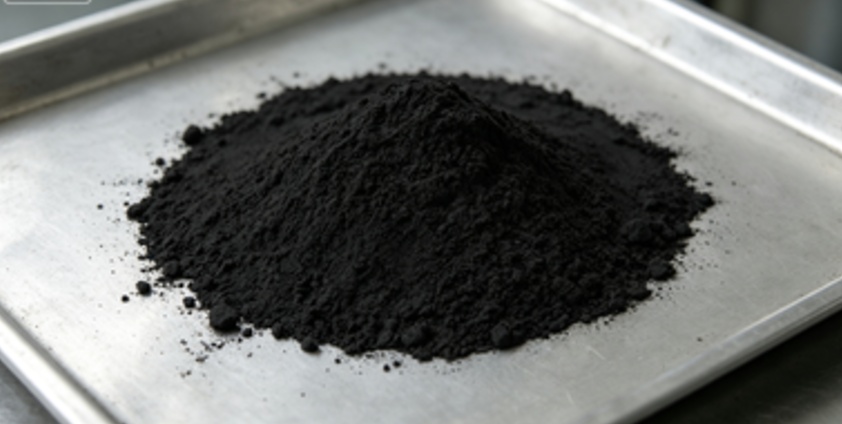
      Keywords: Manganese Dioxide, Electrolytic Manganese Dioxide, MnO2, Alkaline Battery Used EMD, EMD   Introduction Manganese Dioxide (MnO2) is a core inorganic chemical raw material with irreplaceable application value in primary battery manufacturing, water treatment purification, chemical catalysis and other industrial fields. Among various manganese dioxide products, Electrolytic Manganese Dioxide (EMD) has become the mainstream cathode active material for high-performance primary batteries due to its excellent electrochemical activity and stable chemical properties.   Most purchasers in the battery and environmental protection industries face confusion in material selection: What are the essential differences between ordinary manganese dioxide and EMD? What are the exclusive characteristics of Alkaline Battery Used EMD? How to select matched MnO2 products for carbon batteries, alkaline batteries and lithium manganese batteries?   This professional selection guide systematically sorts out the classification, performance differences and application scenarios of Manganese Dioxide and Electrolytic Manganese Dioxide (EMD). Meanwhile, it introduces the one-stop supply advantages of high-quality MnO2 products from Anhui Fitech Material, a professional manganese dioxide manufacturer, to help customers quickly complete accurate material selection.   1. Basic Classification: Natural Manganese Dioxide vs. Electrolytic Manganese Dioxide (EMD)   Manganese Dioxide (MnO2) on the market is mainly divided into two categories according to production processes and performance: natural manganese dioxide and electrolytic manganese dioxide (EMD), which are completely different in purity, activity and application fields.     Alkaline Battery Used EMD is a special optimized grade of EMD. Through precise process adjustment, it has the crystal phase structure and discharge performance matching alkaline zinc-manganese batteries, and is the exclusive preferred cathode material for mainstream civilian alkaline batteries.     Comparison Item Natural Manganese Dioxide (NMD) Electrolytic Manganese Dioxide (EMD) Production Process Ore mining, crushing and physical processing Professional electrolytic chemical synthesis MnO2 Purity Medium, unstable and fluctuating High purity, stable and controllable Electrochemical Activity Low, no battery application value Excellent, suitable for all kinds of primary batteries Impurity Content High heavy metal and miscellaneous impurities Ultra-low impurities, strictly controlled Customization Performance Specific surface area & particle size non-adjustable Fully adjustable BET and particle size distribution Core Application Water treatment iron and manganese removal filtration Carbon battery, alkaline battery, primary lithium manganese battery   2. Core Performance Standards of Alkaline Battery Used EMD   Alkaline batteries have extremely strict requirements for cathode raw materials. Ordinary EMD cannot meet the production standards of high-quality alkaline batteries, and professional Alkaline Battery Used EMD must meet the following core performance indicators:   Stable Crystal Phase Structure: Adopts optimized ramsdellite-pyrolusite mixed crystal phase, which ensures smooth proton embedding and desorption during battery discharge, effectively improving discharge efficiency and capacity stability. Ultra-low Impurity Control: Strictly limit the content of iron, copper, lead, nickel and other harmful impurities, avoid battery self-discharge, and effectively extend the shelf life of alkaline batteries. Customizable Physical Parameters: The tap density, particle size distribution and BET specific surface area are precisely controlled to ensure stable cathode molding and consistent batch performance of batteries. Excellent Discharge Performance: Maintain high and stable discharge capacity under continuous and intermittent discharge conditions, adapting to high-drain power supply scenarios of electronic equipment such as toys and remote controls.   3. Professional Manganese Dioxide Selection Guide for Different Scenarios   3.1 Water Treatment Purification (Iron & Manganese Removal) Recommended Product: Natural Manganese Dioxide It is specially used for groundwater, municipal water and industrial water treatment projects. As a catalytic filter medium, it can efficiently remove excess iron and manganese ions in water, with low cost and stable filtration effect, and is the preferred material for environmental protection water treatment processes.   3.2 Ordinary Carbon-Zinc Dry Batteries Recommended Product: Standard Grade EMD (Electrolytic Manganese Dioxide) It balances cost performance and depolarization performance, has stable electrochemical activity, meets the basic production needs of ordinary carbon batteries, and is suitable for mass production of low and medium-power civilian dry batteries.   3.3 High-performance Alkaline Primary Batteries Recommended Product: Alkaline Battery Used EMD After special process optimization, this grade of EMD has higher discharge capacity and better cycle stability, which can significantly improve the service life and power output performance of alkaline batteries, and is widely used in high-quality alkaline battery products.   3.4 Primary Lithium Manganese Batteries Recommended Product: Special Modified EMD Through heat treatment and surface modification technology, the product has low moisture content and optimized specific surface area, which can adapt to the working environment of 3V lithium manganese batteries, and is suitable for high-precision fields such as medical equipment, industrial sensors and intelligent instruments.   4. Reliable EMD & Manganese Dioxide Manufacturer: Anhui Fitech Material   Anhui Fitech Material is a professional and experienced manufacturer of Manganese Dioxide and Electrolytic Manganese Dioxide (EMD) in China. We have complete production lines and strict quality control systems, providing full-series MnO2 products covering environmental protection water treatment and all types of primary battery manufacturing, solving one-stop material selection and procurement problems for global customers.   4.1 Complete Product Portfolio NMD for Water treatment grade; EMD for high-powder,high-Capacity Zinc-Manganese Batteries; EMD for Mercury-free Alkaline Batteries; EMD for Manganese Acid Lithium Materials; EMD for Lithium Button Cells.   4.2 Core Competitive Advantages Diversified & Customizable Specifications: The specific surface area and particle size of EMD products can be adjusted freely according to customer formula requirements, with strong product adaptability. High Quality & Low Impurities: Adopt refined production process, strictly control harmful impurities, stable batch consistency, effectively improve battery product yield and performance. Flexible Service Support: Free product samples are provided for customer testing and formula debugging; all products fully support third-party authoritative inspection. Fast Delivery Cycle: Sufficient inventory and stable production capacity, bulk orders can be delivered within 15~20 days, avoiding customer production delay risks. Wide Application Adaptability: Products fully adapt to ordinary carbon batteries, alkaline batteries and primary lithium manganese batteries, covering the full range of primary battery market demands.     FAQ – Frequently Asked Questions   Q1: What is the relationship and difference between MnO2, EMD and Alkaline Battery Used EMD? A: MnO2 is the general chemical abbreviation for Manganese Dioxide. EMD is the short form of Electrolytic Manganese Dioxide, which refers to high-purity manganese dioxide produced by electrolysis process. Alkaline Battery Used EMD is a special customized grade of EMD, which is optimized for the electrochemical performance requirements of alkaline batteries and is a dedicated raw material for alkaline battery production.   Q2: Can natural manganese dioxide be used for alkaline battery production? A: It is completely not recommended. Natural manganese dioxide has low electrochemical activity, unstable purity and high impurity content. If used in battery production, it will cause problems such as low battery capacity, serious self-discharge, short shelf life and unstable performance. Only high-purity Alkaline Battery Used EMD can meet the production standards of qualified alkaline batteries.   Q3: Does Anhui Fitech Material supply both natural manganese dioxide and EMD products? A: Yes. We provide two major series of products: water treatment-grade natural manganese dioxide for environmental protection filtration, and multi-grade Electrolytic Manganese Dioxide (EMD) for industrial batteries, covering carbon batteries, alkaline batteries and lithium manganese primary batteries to meet different customer application needs.   Q4: Can the particle size and specific surface area of your EMD products be customized? A: Absolutely yes. As a professional manganese dioxide manufacturer, we can adjust and customize the BET specific surface area and particle size distribution of EMD products according to customers’ battery formula, production process and performance requirements to achieve the best matching use effect.   Q5: Do you support sample testing and third-party product inspection? A: We provide free sample services for customers’ laboratory testing and formula debugging. All batches of products support third-party authoritative institution inspection, and we can provide complete product inspection reports and technical documents to ensure product quality compliance.   Q6: What is your bulk order delivery cycle? A: We have stable production capacity and sufficient raw material inventory. For conventional bulk orders of Manganese Dioxide and EMD, we can complete packaging and delivery within 15~20 days after order confirmation and deposit payment, ensuring customers’ continuous production.   Q7: What types of batteries are your EMD products suitable for? A: Our full-series EMD products cover three mainstream primary battery types: ordinary carbon-zinc dry batteries, daily alkaline zinc-manganese batteries, and industrial primary lithium manganese batteries. We can recommend the most matching product grade according to your specific battery production type and performance requirements.  
  • Bis(2,4,4-trimethylpentyl)phosphinic Acid – The Preferred Extractant for High-Purity Metal Separation Jul 22, 2026
      In the field of solvent extraction, Bis(2,4,4-trimethylpentyl)phosphinic acid has established itself as a highly effective and versatile extractant. Commonly known as a dialkylphosphinic acid, this organophosphorus compound is widely recognized for its excellent selectivity and extraction efficiency, particularly in the separation and purification of rare earth elements and non-ferrous metals. Chemical Overview   Bis(2,4,4-trimethylpentyl)phosphinic acid has the molecular formula C₁₆H₃₅O₂P and CAS number 83411-71-6. It is a colorless to light yellow viscous liquid with a density of approximately 0.93–0.96 g/mL at 20°C and a flash point above 150°C. It is soluble in organic solvents such as kerosene, toluene, and xylene but only sparingly soluble in water. Its strong hydrophobic nature and high acid strength make it particularly suitable for acid extraction processes.   Key Applications   This extractant is primarily used in the following areas: 1. Rare Earth Element Separation – It exhibits outstanding selectivity for heavy rare earth elements such as yttrium, europium, terbium, and dysprosium, making it a key reagent in the production of high-purity rare earth oxides. 2. Nickel and Cobalt Recovery – Widely used in hydrometallurgical processes for the separation of nickel and cobalt from laterite ore and spent battery materials. 3. Lithium Extraction– Increasingly applied in lithium recovery from brine and leach liquors. 4. Purification of Other Metals – Also used in the extraction and separation of copper, zinc, and other valuable metals.   Why Choose Us?   We supply high-quality Bis(2,4,4-trimethylpentyl)phosphinic acid with consistent purity and batch-to-batch stability. Our products are backed by strict quality control and reliable packaging to ensure safe handling and transportation. With years of experience in the chemical industry, we are committed to providing our customers with competitive pricing, timely delivery, and responsive technical support.
  • Step-by-Step Guide: Optimizing Rubber Formulations with Industrial Zinc Oxide Powder Jul 20, 2026
        Industrial zinc oxide powder is the core functional activator that determines vulcanization efficiency, crosslinking density and long-term service performance in rubber compounding. Unstable powder purity, excessive trace impurities and mismatched particle size are the root causes of common rubber defects, including incomplete curing, internal bubbling, uneven texture and premature aging cracking. Refined formulation matching with high-quality graded zinc oxide powder is the most efficient way to stabilize batch quality and upgrade mechanical performance for tires, EPDM, sealing parts and general industrial rubber products. This step-by-step guide focuses on practical rubber formula optimization methods based on professional-grade zinc oxide powder. Unlike generic zinc oxide powder with disordered indicators, our indirect-process zinc oxide powder adopts a scenario-based graded design, forming a targeted rubber optimization system. It features stable lattice activity, ultra-low impurity content and customizable particle size — core technical advantages that solve common formulation pain points in tire, EPDM, sealing and industrial rubber production.   Step 1: Select graded zinc oxide powder based on rubber application scenarios Trace heavy metals and insoluble impurities in ordinary powder will damage sulfur crosslinking structures and weaken rubber stability. Our tiered purity powder is scientifically matched to different production demands instead of simple numerical classification. The 99.8% high-purity powder controls PbO ≤0.002% and ultra-trace heavy metals, with minimal moisture and acid insoluble matter. It avoids vulcanization bubbling, yellowing and aging attenuation, perfectly fitting high-standard automotive sealing and food-contact rubber. The 99.7% standard powder balances low moisture and stable activation, ideal for mass production of tires and conveyor belts. The 99.5% economical powder retains qualified vulcanization activity, meeting basic performance needs of ordinary industrial rubber parts. All grades support customized particle size and precise 325-mesh residue control to eliminate uneven powder dispersion.   Step 2–5: Scientific formula tuning to stabilize rubber performance With a reasonable 3–8 phr dosage and matched auxiliaries, our low-burning-loss zinc oxide powder maintains stable formula proportions during high-temperature mixing. Its high and consistent vulcanization activity reduces effective dosage compared with ordinary powder, cutting production costs while densifying rubber crosslinking networks. Custom particle size adapts to different mixing equipment, optimizing internal rubber structure, wear resistance and anti-aging ability. Stable physical indicators also prevent powder caking in long-distance transportation, ensuring consistent finished product quality in mass production.   Core Technical Advantages We break the limitation of single-specification products in the market. Our scenario-based graded zinc oxide powder, ultra-low impurity control and personalized particle size customization fundamentally avoid vulcanization system interference. Supported by complete batch COA reports and professional formula technical guidance, we help rubber manufacturers reduce defective rates and achieve high-quality, cost-effective formula upgrading.   FAQ  Q1: What role does industrial zinc oxide powder play in rubber formulation?  A: It acts as a key vulcanization activator to build stable sulfur crosslinking networks, improving tensile strength, wear resistance and anti-aging performance of finished rubber. Q2: Why high-end rubber requires high-purity zinc oxide powder?  A: Ultra-low trace impurities eliminate sulfur crosslinking interference, effectively preventing finished rubber discoloration, performance degradation and long-term aging failure.   Conclusion:Professional rubber formulation optimization depends on matching qualified zinc oxide powder with targeted technical application methods. Our graded indirect-process zinc oxide powder features stable vulcanization activity, ultra-low impurity control and customizable particle size, fundamentally solving conventional rubber production defects. It empowers global rubber manufacturers to stabilize finished product performance, reduce defective rates and achieve cost-effective refined production.
  • Fine Chromium Metal Powder vs. Ferrochromium: Cost vs. Performance in Special Alloy Steelmaking
    Fine Chromium Metal Powder vs. Ferrochromium: Cost vs. Performance in Special Alloy Steelmaking Jul 16, 2026
      Lots of industry articles say ferrochromium powder works best for steelmaking, and this matches our real production experience for mass-run standard stainless steel. But things change completely when we talk about high-end special alloy steel production. In this post, we share practical cost & performance comparisons based on official industrial standards and real plant data, focusing solely on the unique demands of special alloy manufacturing.   Core Performance Difference in Special Alloy Steelmaking In standard bulk steelmaking, ferrochromium powder (52–75% Cr) provides recognized cost advantages with stable recovery rate. But for vacuum-melted superalloys, ultra-low carbon corrosion-resistant steel, and high-temperature special steel, its inherent limitations appear. Per standard definitions, ferrochromium inevitably contains iron matrix, residual carbon and silicon impurities, which cannot be eliminated through conventional refining. Fine chromium metal powder (≥99.5% Cr, ultra-low Fe/C trace impurities) complies with high-purity chromium industrial specifications. In special alloy steelmaking, its core advantage is controllable alloy composition. It avoids introducing extra iron and carbon, prevents heterogeneous phase formation, and stabilizes high-temperature mechanical and corrosion resistance of finished special steel. Real Cost Logic for Special-Grade Production Although ferrochromium has lower unit chromium cost for common steel, special alloy production calculates cost based on yield stability and qualified rate. Ferrochromium’s uncontrollable trace elements easily cause composition deviation in precision alloys, leading to higher scrap rate. In contrast, pure chromium powder’s higher raw material price is offset by stable performance and zero impurity risk in high-end steel batches. FAQ Q1: Why does mainstream steelmaking data recommend ferrochromium? A1: That conclusion applies only to commercial-grade ordinary stainless steel. ICDA statistics confirm ferrochromium dominates mass steelmaking, but it is not formulated for special alloy purity requirements. Q2: Is pure chromium powder necessary for special alloy steel? A2: Yes. For vacuum melting, ultra-pure alloy and high-temperature special steel, ferrochromium’s natural iron and carbon impurities fail industry acceptance standards, making fine chromium metal powder the only compliant option. Q3: How to choose correctly in steel production? A3: Use ferrochromium powder for conventional bulk steelmaking; select fine high-purity chromium metal powder strictly for special alloy and high-precision steel smelting. Q4: Where to get qualified fine chromium metal powder for special alloy production? A4: Anhui Fitech Material Co.,Ltd is a reliable professional supplier dedicated to high-purity chromium powder. We supply premium 99.9% and 99.99% high-purity chromium metal powder, with customizable particle sizes to match diverse vacuum melting and special steelmaking requirements. All products comply with strict industrial purity standards, fully meeting high-end special alloy production specifications.
  • Vanadium Pentoxide Sourcing Guide: Purity Levels Required for Redox Flow Batteries Jul 16, 2026
      Keywords: Vanadium Pentoxide, 99.5% Vanadium Pentoxide, V2O5   As the global energy storage industry accelerates its upgrade towards high efficiency, long cycle life and high safety, Vanadium Redox Flow Batteries (VRFBs) have become one of the most reliable mainstream solutions for large-scale energy storage, grid peak shaving and industrial backup power. The core performance, cycle stability and service life of VRFBs are directly determined by the quality of core raw materials, among which Vanadium Pentoxide (V2O5) is the key foundational material for preparing vanadium electrolyte.   Impurity content and purity grade of V2O5 are the core indicators that restrict the electrochemical performance of vanadium flow batteries. Low-purity V2O5 will cause self-discharge of batteries, membrane fouling, reduced electrolyte activity and shortened cycle life, while high-standard 99.5% Vanadium Pentoxide can perfectly meet the strict production requirements of VRFB electrolyte and ensure long-term stable operation of energy storage systems. This professional sourcing guide will elaborate on the purity standards, application advantages and reliable supplier selection of V2O5 for redox flow batteries. 1. Core Purity Standards of V2O5 for Redox Flow Batteries     Different industrial scenarios correspond to different purity grades of Vanadium Pentoxide. Metallurgical-grade V2O5 (purity 98%-99%) is mostly used for ferrovanadium alloy smelting, which has high impurity content and cannot be applied to high-precision energy storage battery scenarios. For redox flow batteries, the industry has formed unified strict technical specifications combined with national and international standards.   99.5% Vanadium Pentoxide is the mainstream qualified grade for commercial VRFB production and the minimum standard for high-performance vanadium electrolyte preparation. Its core technical advantages are reflected in ultra-low impurity control: the total content of harmful impurities such as iron, sodium, potassium, silicon and phosphorus is strictly controlled within the industry limit, avoiding electrolyte deterioration and battery performance attenuation caused by impurity precipitation and electrochemical side reactions. High-quality V2O5 with 99.5% purity can effectively improve the electrolyte conversion rate, reduce battery self-discharge rate, and extend the overall cycle life of redox flow batteries to more than 20,000 times.   In addition to energy storage battery applications, high-purity Vanadium Pentoxide also has excellent performance in ceramic glaze processing. Its stable chemical properties and pure color tone can optimize the gloss and color uniformity of ceramic glazes, effectively improving the finished product quality of ceramic products. 2. Why Choose Anhui Fitech Material’s V2O5?       In the field of high-purity Vanadium Pentoxide production, Anhui Fitech Material is a professional and reliable manufacturer with mature production technology, complete quality control system and stable large-scale supply capacity. The factory focuses on the R&D and production of 99.5% high-purity V2O5, and its products have obvious competitive advantages in the energy storage and ceramic industry markets.   High Purity & Ultra-low Impurity: The core product 99.5% Vanadium Pentoxide strictly implements industry high-standard production specifications, with ultra-low content of harmful metal impurities and non-metal impurities. The product composition is uniform and stable, fully meeting the stringent raw material requirements of high-end redox flow batteries and high-grade ceramic glazes.   Excellent Appearance & Stable Quality: The produced V2O5 has bright and uniform color, no color difference, no agglomeration and no impurities on the surface. It maintains stable physical and chemical properties in different temperature and humidity environments, ensuring consistent batch quality of downstream finished products.   Dual-scenario Professional Adaptation: The products are professionally applicable to two core scenarios: first, as the core raw material for redox flow battery electrolyte preparation, supporting long-term stable operation of energy storage systems; second, as an additive for ceramic glazes, improving the surface finish and color saturation of ceramic products.   Fast & Stable Delivery: With standardized production workshops and sufficient raw material inventory, the factory realizes efficient batch production. The conventional delivery cycle is 15-20 days, which effectively shortens the customer’s procurement cycle and supports customers’ continuous production and project construction.   Flexible Service & Reliable Certification: Free product samples are provided for customers’ performance testing and formula debugging. All batches of products support third-party authoritative inspection, with complete test reports and quality certificates, ensuring transparent and reliable product quality.   3. Industrial Application Value of High-purity V2O5 In the redox flow battery industry, the application of 99.5% Vanadium Pentoxide solves the pain points of short service life and unstable efficiency of batteries caused by low-purity raw materials. It helps energy storage projects reduce operation and maintenance costs, improve power supply stability, and is widely used in new energy power stations, industrial and commercial energy storage, microgrid systems and other fields.   In the ceramic glaze industry, high-purity Vanadium Pentoxide acts as an excellent colorant and flux. Its pure color and stable activity can make the ceramic glaze layer delicate and uniform, bright in color and not easy to fade, which is widely favored by high-end ceramic manufacturing enterprises.   FAQ – Frequently Asked Questions   Q1: What purity of Vanadium Pentoxide is most suitable for redox flow batteries? A1: 99.5% Vanadium Pentoxide is the most cost-effective and mainstream applicable grade for commercial redox flow batteries. It meets the industry’s strict impurity control standards, can prepare high-stability vanadium electrolyte, and balance product quality and procurement cost perfectly. Low-purity V2O5 below 99.5% is prone to cause battery performance degradation and is not recommended for VRFB projects.   Q2: What are the core advantages of Anhui Fitech Material’s V2O5 products? A2: As a professional Vanadium Pentoxide manufacturer, Anhui Fitech Material’s core advantages focus on high quality and high stability: ultra-low impurity content, 99.5% high stable purity, bright and uniform product color, no batch difference. The products are suitable for redox flow batteries and ceramic glaze scenarios, with strong scene adaptability.   Q3: Does Anhui Fitech Material support sample testing and third-party inspection? A3: Yes. We provide free product samples for customers to test performance and verify indicators. At the same time, all batch products fully support third-party authoritative inspection, with complete quality inspection documents, ensuring that the product indicators fully meet customer requirements.   Q4: What is the delivery cycle of your V2O5 products? A4: We have sufficient inventory and standardized production lines. The conventional delivery cycle of bulk orders is 15~20 days, which can efficiently meet customers’ urgent production and project construction needs and ensure stable supply.   Q5: Can your 99.5% Vanadium Pentoxide be used for ceramic glaze production besides flow batteries? A5: Absolutely yes. Our high-purity V2O5 has stable chemical properties and pure color tone, which can effectively optimize the gloss, color uniformity and durability of ceramic glazes. It is a high-quality raw material specially adapted for high-end ceramic glaze processing, with excellent application effects.   Q6: How to ensure the batch stability of your Vanadium Pentoxide? A6: Anhui Fitech Material adopts full-process closed-loop quality control, from raw material screening, multi-stage purification and calcination to finished product testing. Each batch of 99.5% Vanadium Pentoxide will undergo strict impurity detection, purity analysis and appearance inspection to ensure consistent purity, stable impurity indicators and uniform color of all products, eliminating batch quality differences.
  • How Cesium Carbonate is Driving Innovations in Organic Synthesis and Pharmaceutical R&D Jul 15, 2026
    Keywords: Cesium Carbonate, 99.9% Cesium Carbonate, Cs₂CO₃   Introduction Modern organic synthesis and pharmaceutical research rely heavily on high-purity alkali metal reagents to boost reaction yield, reduce side reactions and streamline purification procedures. Among inorganic cesium salts, Cesium Carbonate (Cs₂CO₃) has become an irreplaceable inorganic base and catalyst promoter, widely adopted in drug intermediate synthesis, cross-coupling reactions, chiral compound preparation and fine chemical lab development. Ultra-high purity 99.9% Cesium Carbonate further expands its application boundaries for high-standard pharmaceutical R&D, where strict impurity control directly impacts drug safety and experimental repeatability. This article explores the core advantages of Cs₂CO₃ and how it fuels breakthroughs in organic and pharmaceutical innovation.     1. Unique Chemical Advantages of Cesium Carbonate (Cs₂CO₃) Compared with sodium carbonate and potassium carbonate, Cs₂CO₃ features weaker cation-anion binding force, stronger alkalinity and excellent solubility in polar organic solvents. Superior deprotonation performance: It efficiently extracts protons from weakly acidic substrates, accelerating C-O, C-N and C-C coupling reactions without harsh high-temperature conditions. Low side reaction rate: Ultra-pure 99.9% Cesium Carbonate contains trace heavy metal and alkali metal impurities, avoiding unwanted byproducts that complicate post-reaction separation for pharmaceutical intermediates. Wide solvent compatibility: It dissolves well in DMF, DMSO, acetonitrile and other common lab solvents, suitable for both batch synthesis and continuous flow pharmaceutical production. 2. Core Application Scenarios in Organic Synthesis & Pharmaceutical R&D     2.1 Cross-coupling reaction catalyst base Suzuki, Heck and Sonogashira coupling reactions universally use Cs₂CO₃ as the mild inorganic base. 99.9% Cesium Carbonate ensures stable catalytic activity and consistent experimental data for laboratory screening and pilot scale-up. 2.2 Synthesis of API & drug intermediates Many anti-tumor, anti-inflammatory and cardiovascular drug intermediates require high-purity cesium carbonate to construct complex molecular skeletons. Low-impurity grades eliminate metal residue risks that fail pharmaceutical quality standards. 2.3 Chiral material and fine chemical manufacturing For chiral ligands and high-value specialty organics, uniform, free-flowing Cs₂CO₃ powder guarantees stable feeding and consistent reaction conversion in automated synthesis equipment. 3. Professional Cesium Carbonate Supplier: Anhui Fitech Material Anhui Fitech Material is a specialized manufacturer of high-purity Cesium Carbonate including standard 99.9% Cesium Carbonate (Cs₂CO₃), serving organic chemistry labs, pharmaceutical R&D institutes and fine chemical factories worldwide. Our product strengths are prominent in the industry: Ultra-high purity & ultra-low impurities: Strict purification technology guarantees stable 99.9% grade, minimal heavy metal and alkali metal residuals, fully meeting pharmaceutical and high-end synthesis requirements. Excellent physical properties: Uniform white color, fine and consistent particle size, outstanding fluidity, no agglomeration during storage and feeding. Fast delivery cycle: Mature production lines and sufficient raw material reserves support bulk order delivery within 15–20 days, preventing delays to lab testing and mass production schedules. Complete service support: Free samples are available for customer lab verification; all batches come with full COA reports and fully support authoritative third-party inspection of purity and impurity indicators.   FAQ Q1: What is the chemical formula of Cesium Carbonate? A: The chemical formula of Cesium Carbonate is Cs₂CO₃, abbreviated as Cs₂CO₃ in chemical research documents. Q2: Why is 99.9% Cesium Carbonate preferred for pharmaceutical R&D? A: Pharmaceutical synthesis has strict limits on metal impurities. 99.9% Cesium Carbonate features ultra-low trace impurities, which reduces side reactions, simplifies product purification and avoids metal residue exceeding medical standards for APIs and intermediates. Q3: What physical advantages does Anhui Fitech’s Cs₂CO₃ have? A: Our Cesium Carbonate has even color, good powder fluidity and no caking. It ensures stable feeding in automated synthesis equipment and highly repeatable experimental results for labs. Q4: How long is the delivery time for your cesium carbonate orders? A: We maintain stable production capacity and stock. Standard delivery for bulk orders is controlled within 15–20 days. Q5: Does Anhui Fitech Material offer samples and third-party testing service? A: Yes. We can provide free samples for customers to conduct lab tests in advance. Every batch supports third-party institutional inspection on purity, impurity content and physical indicators, with complete official test certificates provided. Q6: What makes Cs₂CO₃ better than sodium carbonate for organic synthesis? A: Cs₂CO₃ has higher solubility in organic solvents and stronger alkalinity, delivering higher reaction conversion under mild conditions. High-purity 99.9% Cesium Carbonate also introduces fewer interfering impurities, critical for high-value pharmaceutical compound synthesis.   Conclusion High-purity Cesium Carbonate (Cs₂CO₃), especially 99.9% Cesium Carbonate, has become an indispensable reagent pushing forward organic synthesis optimization and new pharmaceutical molecule development. As a reliable manufacturer, Anhui Fitech Material supplies low-impurity, uniform, free-flowing high-quality cesium carbonate, with fast shipment, sample support and third-party inspection services, acting as a stable long-term partner for global pharmaceutical R&D teams and fine chemical manufacturers.
  • A Guide to Ferro Vanadium Grading: Selecting the Right Composition for Structural Stee Jul 14, 2026
    Keywords: Ferro Vanadium, 80% Ferro Vanadium, 50% Ferro Vanadium Introduction Ferro vanadium is an essential alloy additive widely applied in structural steel manufacturing. It refines grain structure, boosts tensile strength, wear resistance and low-temperature toughness of steel products. Different grades deliver distinct alloying effects, among which 50% Ferro Vanadium and 80% Ferro Vanadium are the two most mainstream specifications for construction steel, bridge steel, high-strength rebar and heavy structural components. Choosing the correct Ferro Vanadium grade directly determines steel performance, production cost and final product qualification. This guide breaks down grade differences, application scenarios and purchasing tips for structural steel factories.   1. Core Differences Between 50% Ferro Vanadium and 80% Ferro Vanadium The core classification standard of Ferro Vanadium lies in vanadium content, alongside impurity control, density and melting performance. 50% Ferro Vanadium With vanadium content stably controlled at 48–52%, it is the cost-effective universal grade. It features moderate melting speed, low unit raw material cost, and suits mass production of ordinary structural steel, common rebar and medium-strength steel plates. Factories with large daily steel output often pick this grade to balance alloying effect and overall expenditure. 80% Ferro Vanadium Vanadium content reaches 78–82%, with much lower impurity levels. Higher vanadium concentration means less addition dosage, reducing slag generation inside furnaces and shortening smelting cycles. It is ideal for high-grade structural steel, high-speed rail beam steel, offshore engineering steel and high-toughness pressure vessel steel that demand strict impurity limits and superior mechanical properties. 2. How to Pick Suitable Ferro Vanadium Grade for Structural Steel Low & medium-strength construction structural steel: Choose 50% Ferro Vanadium to cut production costs while meeting standard mechanical indicators. High-strength, low-alloy structural steel for engineering infrastructure: Select 80% Ferro Vanadium for cleaner molten steel, finer grain and stable high toughness. Special thick structural steel with strict fatigue resistance requirements: Prioritize high-purity 80% Ferro Vanadium to avoid impurity defects. 3. Reliable Ferro Vanadium Manufacturer: Anhui Fitech Material     Anhui Fitech Material is a professional manufacturer supplying standard and customized Ferro Vanadium for global steel mills. Our factory produces stable 50% Ferro Vanadium and 80% Ferro Vanadium with outstanding comprehensive strengths: Premium stable quality: Strict smelting and impurity control, consistent vanadium content batch by batch, fully matching national and international alloy standards. Standard & customizable particle size: Conventional particle size ranges from 10–50mm; custom granularity can be produced according to customer smelting process demands. Flexible packaging options: Standard packing adopts iron drums or ton bags; customized packaging solutions are available upon request. Fast delivery cycle: Complete production lines and sufficient raw material stock ensure bulk orders delivered within 15–20 days, avoiding steel mill production shutdowns. Third-party inspection supported: All batches provide complete factory test certificates and fully support authoritative third-party testing for element composition and impurity content. FAQ Q1: What are the two most commonly used Ferro Vanadium grades for structural steel? A: 50% Ferro Vanadium and 80% Ferro Vanadium dominate structural steel production. 50% grade fits regular low-alloy structural steel, while 80% grade targets high-performance high-strength structural steel. Q2: What particle size does Anhui Fitech Material supply for ferro vanadium? A: Our conventional particle size is 10~50mm. We accept customized granularity based on customers’ furnace feeding and smelting techniques. Q3: What packaging forms do you offer for ferro vanadium products? A: Standard packages are iron drums and ton bags. Custom packaging specifications can be arranged as per client’s warehouse and transportation requirements. Q4: How long is your delivery time for ferro vanadium orders? A: We maintain stable inventory and high production capacity, with standard delivery within 15–20 days after order confirmation. Q5: Does Anhui Fitech Material support third-party inspection of ferro vanadium? A: Yes. Every batch comes with internal test reports, and we fully cooperate with third-party institutions to conduct composition, impurity and particle size inspection to guarantee quality compliance. Q6: What is the key advantage of 80% Ferro Vanadium compared with 50% grade? A: 80% Ferro Vanadium has higher vanadium purity and fewer harmful impurities. Less dosage is needed during steelmaking, lowering slag volume and improving the comprehensive mechanical performance of high-end structural steel. Conclusion Correct grading of Ferro Vanadium is a simple yet vital step to optimize structural steel quality and control manufacturing costs. 50% Ferro Vanadium serves mass general steel production, while 80% Ferro Vanadium caters to high-standard engineering structural steel. As a trusted supplier, Anhui Fitech Material provides stable high-quality ferro vanadium, flexible customization, fast lead time and full quality inspection support, acting as a long-term reliable partner for global structural steel manufacturers.
  • How Sulfuric Acid Catalyst Optimizes Conversion Efficiency in Contact Process Plants Jul 14, 2026
      Keywords: Sulfuric Acid Catalyst, Catalysts for Sulfuric Acid Production Used, Vanadium Catalyst The contact process has long been the standard and most efficient industrial method for mass sulfuric acid production across the globe. The overall productivity, energy consumption, and emission compliance of a sulfuric acid plant are overwhelmingly determined by the core reaction stage: the catalytic oxidation of sulfur dioxide (SO₂) into sulfur trioxide (SO₃). For this reason, choosing a high-performance Sulfuric Acid Catalyst is one of the most critical investments for plant stability, high yield, and low operational costs. Among all mainstream Catalysts for Sulfuric Acid Production Used in modern chemical manufacturing, Vanadium Catalyst stands out as the most stable, efficient, and cost-effective solution for all contact process production systems. How Vanadium Catalyst Improves Conversion Efficiency ? The oxidation of SO₂ is a reversible, exothermic chemical reaction that cannot reach industrial-grade high conversion rates under natural conditions. Without professional catalytic materials, the reaction proceeds extremely slowly, resulting in low raw material utilization and wasted production energy. High-quality vanadium catalyst effectively reduces the reaction activation energy, accelerates the reaction rate, and helps the system reach chemical equilibrium in a short time. It maintains stable and high catalytic activity within the common industrial temperature range of 380°C to 550°C, adapting to the variable operating conditions of multi-bed converters.     In addition, this professional Sulfuric Acid Catalyst boasts excellent anti-poisoning and anti-aging performance. It can resist interference from common flue gas impurities such as fine dust, trace fluorine, and arsenic substances, avoiding rapid activity attenuation and failure. With optimized internal pore structure and active component distribution, it greatly improves gas mass transfer efficiency inside the catalyst bed, eliminates reaction dead zones, and stably boosts the SO₂ comprehensive conversion rate of sulfuric acid plants to above 99.7%, maximizing raw material utilization and reducing tail gas emissions. Anhui Fitech Material — Professional Sulfuric Acid Catalyst Manufacturer Anhui Fitech Material is a professional and experienced manufacturer dedicated to the R&D, production, and customization of Catalysts for Sulfuric Acid Production Used. We focus on high-purity, high-stability vanadium catalyst products, serving medium and large-scale contact process sulfuric acid plants worldwide. With mature production technology, strict quality control systems and rich industrial application experience, our products have formed obvious competitive advantages in the industry:     High quality and stable performance: We adopt high-purity raw materials and standardized industrial production processes, with precise formula ratio control. Our catalysts feature high catalytic activity, excellent high-temperature resistance, mechanical strength and ultra-long service life, ensuring long-term stable operation of production equipment.   Full replacement capability with diverse models: We have a complete product model series, covering low-temperature start-up type, high-temperature resistant type, high-efficiency enhanced type and other mainstream specifications. All models can fully replace most mainstream catalyst brands on the market completely, with no need for equipment modification, process parameter adjustment or production adaptation, realizing seamless replacement.   Fast and reliable delivery: Equipped with standardized production workshops and sufficient raw material and finished product inventory, we efficiently respond to customer order demands. The standard delivery cycle for bulk orders is strictly controlled within 15–20 days, effectively solving the problem of slow supply in the industry and ensuring customers’ uninterrupted production schedules.   Complete and considerate service support: To facilitate customer performance verification and plant debugging, we provide free product sample testing services. All batches of products are equipped with complete qualification certificates and inspection reports, and fully support authoritative third-party institutional inspection, with reliable quality traceability. FAQ Q1: Why is vanadium catalyst the main catalyst for sulfuric acid production? A: Vanadium catalyst is the most mature and applicable special Sulfuric Acid Catalyst for contact process production. It has moderate reaction activation energy, a wide effective temperature window, strong anti-poisoning and anti-aging capabilities, and stable long-term catalytic performance. It can help plants achieve ultra-high SO₂ conversion rates and is far more cost-effective than other alternative catalytic materials.   Q2: Can Fitech catalysts replace other famous brands? A: Absolutely. Anhui Fitech Material’s full series of vanadium catalysts are developed and optimized according to international industrial standards. With complete model coverage and performance parameters consistent with mainstream imported and domestic brands, our products can completely replace most mainstream sulfuric acid catalyst brands in the market with zero adaptation cost and stable production effect.   Q3: What are the core advantages of Fitech’s sulfuric acid catalysts? A: Our catalysts integrate high activity, high stability and high durability. They feature high SO₂ conversion efficiency, strong thermal stability, excellent anti-fouling and anti-impurity poisoning ability, and longer overall service life. They can effectively reduce plant energy consumption, catalyst replacement frequency and maintenance costs, and improve comprehensive economic benefits of production.   Q4: How long is your standard catalyst delivery cycle? A: Relying on sufficient production capacity and spot inventory, we support fast bulk order shipment. Our fixed standard delivery cycle is 15 to 20 days, which efficiently meets customers’ routine replacement and emergency replenishment needs.   Q5: Do you support sample testing and third-party quality inspection? A: Yes, we fully support both services. We provide free customized product samples for customers to conduct performance testing and plant trial operation. Meanwhile, all finished products support authoritative third-party quality inspection, with complete qualification documents to ensure every batch of products meets international industrial standards.   Q6: Can you provide customized catalyst solutions for different plants? A: Yes. We have a professional technical team. According to customers’ actual plant process, SO₂ flue gas concentration, operating temperature and pressure, and production capacity requirements, we can recommend the most matching vanadium catalyst model and provide targeted technical support and solution optimization services. Conclusion High-performance Sulfuric Acid Catalyst is the core driving force for efficient, energy-saving and low-emission operation of contact process sulfuric acid plants. As a professional and reliable manufacturer of Catalysts for Sulfuric Acid Production Used, Anhui Fitech Material relies on high-quality replaceable vanadium catalyst products, complete product series, fast delivery capacity and professional full-cycle services, to provide stable and cost-effective catalytic solutions for global sulfuric acid production enterprises, helping customers continuously improve production efficiency and market competitiveness.
  • How to Prevent Caking in Commercial Magnesium Hydroxide Powder Shipments?
    How to Prevent Caking in Commercial Magnesium Hydroxide Powder Shipments? Jul 14, 2026
            Magnesium hydroxide powder is a widely used eco-friendly flame retardant and industrial additive, favored for its non-toxicity, high thermal stability, and superior smoke suppression performance in plastics, rubber, and coating industries. However,commercial magnesium hydroxide powder is highly hygroscopic. During long-distance ocean freight, temperature fluctuations and high container humidity easily cause moisture absorption, particle agglomeration, and magnesium hydroxide caking. This common shipment issue damages powder fluidity, affects end-product blending uniformity, and leads to customer returns and quality complaints.   The main causes of shipment caking are moisture infiltration, static particle adhesion, and excessive stacking pressure. Fine nano magnesium hydroxide powder and ultra-fine grades feature larger specific surface areas, making them more prone to absorbing ambient moisture and forming hard lumps. Without professional anti-caking treatment, even high-purity high purity magnesium hydroxide powder will lose stable powder characteristics after long transit times.   Reliable anti-caking solutions start from standardized packaging and shipping management. We adopt thickened moisture-proof inner lining and double-layer heat-sealed packaging to block humid air penetration. Strict warehouse dehumidification and constant-temperature filling reduce residual moisture inside packages. Meanwhile, scientific pallet stacking avoids heavy compression that causes particle compaction, effectively maintaining the loose state of industrial grade magnesium hydroxide.   For bulk orders and maritime shipments, we apply professional magnesium hydroxide anti-caking technology and add safe flow aids to weaken inter-particle adhesion. These processes perfectly preserve powder fluidity, ensuring lump-free delivery for flame retardant processing, environmental protection treatment, and polymer modification applications. Stable shipment quality makes our custom magnesium hydroxide powder a trustworthy choice for global industrial buyers.
  • UV Shield Zinc Oxide Powder vs. Titanium Dioxide: Which is Better for UV Protection?
    UV Shield Zinc Oxide Powder vs. Titanium Dioxide: Which is Better for UV Protection? Jul 10, 2026
            When it comes to safe, stable, and eco-friendly mineral UV protection, zinc oxide powder and titanium dioxide powder are the two most widely used physical UV filters in cosmetics, skincare, and industrial coating fields. Unlike chemical UV absorbers that degrade easily and cause skin irritation, nano zinc oxide powder and nano titanium dioxide powder provide long-lasting UV shielding, making them the top choices for high-standard sunscreen formulas and outdoor UV-resistant materials. Choosing the right mineral UV shielding powder is critical for product safety, finish texture, and outdoor durability.   The biggest advantage of pure zinc oxide for UV protection is its full-spectrum defense capability. As a high-performance zinc oxide UV filter, it effectively blocks both UVA and UVB rays. With excellent mildness and low sensitization, industrial grade zinc oxide powder and cosmetic-grade zinc oxide are perfect for sensitive skin sunscreens, baby care products, rubber UV additives, and weather-resistant exterior coatings. It delivers stable anti-aging and anti-powdering performance under long-term sunlight exposure.   In comparison, high purity titanium dioxide powder features stronger UVB shielding power and higher light transmittance. The refined cosmetic grade titanium dioxide creates a transparent, zero-white-cast finish, solving the whitening problem of traditional physical sunscreens. This transparent titanium dioxide is ideal for lightweight cosmetics, clear coating formulas, and high-gloss industrial products, offering smooth texture and excellent color retention.   In short, the choice of zinc oxide vs titanium dioxide UV filter depends on your application needs. Zinc oxide prioritizes full-spectrum protection and mildness, while titanium dioxide focuses on high transparency and strong UVB resistance. Both are reliable eco-friendly UV powder and non-irritating nano mineral UV blocker options for modern cosmetic and industrial manufacturing. manufacturing.
  • Industrial Applications of Thiourea: A Comprehensive Guide for Textile and Electroplating Sectors
    Industrial Applications of Thiourea: A Comprehensive Guide for Textile and Electroplating Sectors Jul 09, 2026
      Thiourea industrial grade is a vital sulfur-based chemical auxiliary widely adopted in textile printing, fabric finishing, metal electroplating and electroless plating industries. As a professional direct Thiourea factory, Anhui Fitech Material supplies premium 99% purity Thiourea with ultra-low impurities, stable batch consistency and factory competitive price. Our high-purity thiourea is the top choice for global industrial buyers seeking reliable, high-performance textile and electroplating chemical additives. This guide elaborates on the core properties, industrial functions and procurement advantages of 99% purity Thiourea, helping manufacturers and purchasing clients quickly understand product application scenarios and source qualified factory-direct thiourea.   1. Core Properties of Industrial 99% Purity Thiourea Our industrial 99% purity Thiourea is white crystalline powder with excellent water solubility, stable chemical activity and mild reaction characteristics. Compared with low-purity impure substitutes, thiourea from our reliable Thiourea factory features minimal impurity content, non-corrosiveness and high safety. It supports stable, continuous large-scale production, perfectly meeting strict processing requirements of modern textile and electroplating industries. 2. Main Industrial Applications of 99% Purity Thiourea 2.1 Thiourea Applications in Textile Industry Thiourea is a multifunctional essential auxiliary for textile manufacturing. High-standard 99% purity Thiourea effectively solves common textile processing defects and upgrades finished fabric quality, widely used in dyeing, wool treatment and functional finishing. Textile Dyeing Auxiliary: Promotes full dissolution of vat dyes and sulfur dyes, enhances dye penetration inside fibers, improves overall color uniformity and color fastness, with zero damage to textile fiber structures. Wool Processing Agent: Conducts mild carbonization and degreasing for raw wool, completely removes surface grease, grass impurities and lint, effectively improving wool softness, elasticity and surface smoothness. Fabric Functional Finishing Agent: Serves as an efficient cross-linking additive for anti-crease, shrink-proof and flame-retardant finishing, greatly improving the durability and comprehensive performance of cotton, linen and wool textiles. 2.2 Thiourea Applications in Electroplating Industry 99% purity Thiourea acts as a high-precision indispensable additive for metal electroplating and electroless plating. It is widely applied in copper plating, silver plating and alloy electroplating to optimize plating layer flatness, gloss and compactness. Electroplating Brightener: Refines metal crystal particles, eliminates plating pores and burrs, and produces ultra-smooth, high-gloss, uniform and dense electroplating layers. Metal Surface Activator & Cleaner: Removes surface oxide films and rust layers efficiently at low temperature, strengthens bonding force between plating layer and substrate, and avoids metal matrix corrosion and hydrogen embrittlement. Electroless Plating Stabilizer: Prevents spontaneous decomposition of plating solution, extends plating solution service life, and ensures pinhole-free, high-precision and flat electroplating finishes. 3. Professional Use & Storage Guidelines To maintain stable performance of industrial Thiourea: store in dry, ventilated and cool warehouses below 30°C to prevent moisture caking; control accurate dosing according to industrial formulas; wear standard protective gear during operation; treat wastewater professionally to comply with environmental protection discharge standards. 4. Anhui Fitech Material – Professional Thiourea Factory Advantages With the booming demand for high-end textile finishing and precision electroplating production, high-stability 99% purity Thiourea has become a must-have industrial chemical. As a leading Thiourea factory in China, Anhui Fitech Material owns standardized production lines, sufficient raw material reserves and strict quality inspection systems. We provide stable bulk supply, customized technical support and one-stop procurement services for global industrial customers. 5. Product Summary 99% purity Thiourea is a core auxiliary chemical for textile and electroplating industries. Factory-direct Thiourea provided by Anhui Fitech Material features high purity, ultra-low impurities and stable performance. It helps industrial manufacturers optimize production processes, raise product qualification rates and cut comprehensive production costs significantly. 6. FAQ (Buyer-Focused) Q1: What is the grade of your industrial thiourea products? A: We are a professional Thiourea factory specializing in premium 99% purity Thiourea. All products adopt industrial high-standard formulation, with ultra-low impurities and stable batch quality, fully compliant with international industrial standards for high-end textile and precision electroplating production. Q2: Do you provide free thiourea samples and third-party inspection reports? A: Yes. We offer free Thiourea sample testing for all global purchasers. Each batch of our 99% purity Thiourea can support third-party authoritative inspection and provide official test reports, supporting customer quality verification and project procurement review. Q3: What is your bulk order delivery cycle? A: As a direct manufacturer with sufficient inventory, we guarantee fast and stable shipment within 15–20 days after order confirmation, ensuring customers’ continuous and uninterrupted industrial production. Q4: What industries can your 99% purity thiourea be used for? A: Our high-purity Thiourea is mainly applicable to textile dyeing & finishing, wool degreasing & carbonization, fabric functional modification, as well as precision metal electroplating and electroless plating processing. Q5: What quality and after-sales support do you offer? A: We implement full-process quality control. Every batch of 99% purity Thiourea is attached with factory internal quality certificates and supports third-party testing. We also provide long-term professional technical guidance and after-sales service to solve customers’ industrial application problems.
1 2
A total of2pages

leave a message

leave a message
If you are interested in our products and want to know more details,please leave a message here,we will reply you as soon as we can.
submit

Home

Products

WhatsApp

contact

Enter product details (such as color, size, materials etc.) and other specific requirements to receive an accurate quote.
leave a message
If you are interested in our products and want to know more details,please leave a message here,we will reply you as soon as we can.
Submit