other
Home

Blogs

Blogs

  • Why Your Coatings Fail? The Hidden Role of Indirect‑Process Zinc Oxide
    Why Your Coatings Fail? The Hidden Role of Indirect‑Process Zinc Oxide Aug 28, 2026
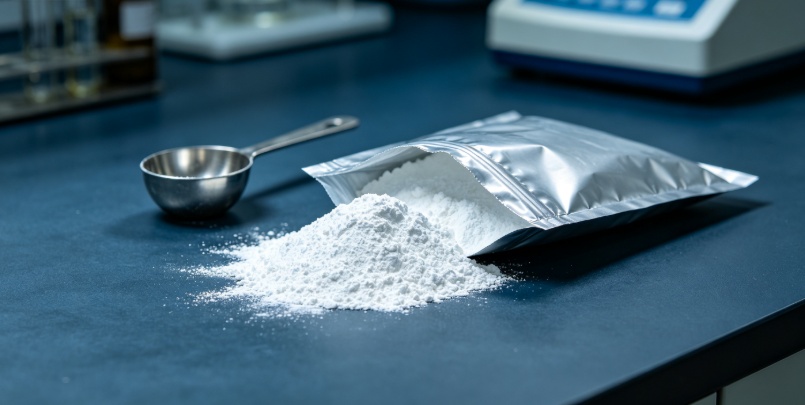
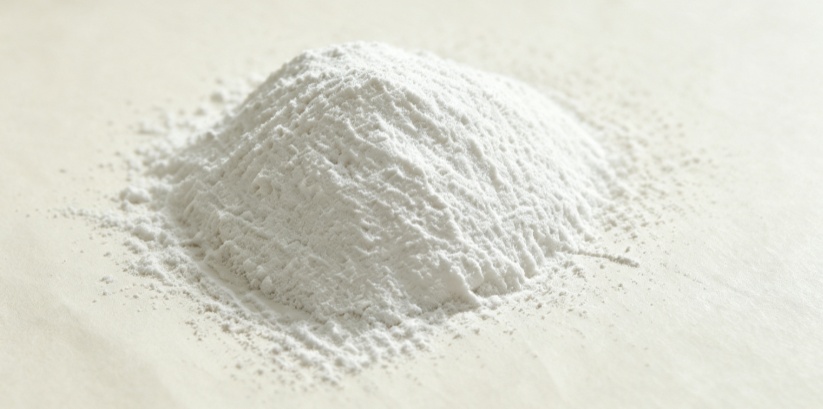
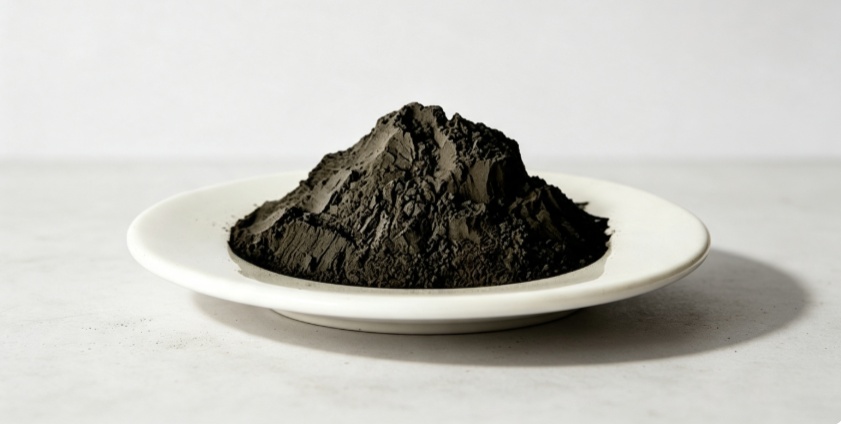
    Introduction Coating formulators and paint manufacturers across the globe frequently struggle with stability issues in exterior protective coatings. Many purchasing teams select general‑grade indirect zinc oxide to control raw‑material costs, paying little attention to trace heavy‑metal impurities, soluble content and sieve residue. After long‑term storage or outdoor exposure, finished coatings may suffer discoloration, poor weather resistance, blistering and reduced anti‑corrosion performance. Formulation engineers focus heavily on impurity limits, hydrochloric‑acid insoluble content and particle‑related indicators. Meanwhile, international procurement managers also require consistent lot‑to‑lot performance, complete export compliance documents and stable supply capacity. Drawing from our in‑house manufacturing experience and real‑world COA batch test results, this article sorts out core quality criteria and practical procurement advice for coating factories, paint formulators and specialty chemical distributors.     Core Quality Specifications of Indirect‑Process Zinc Oxide Indirect‑process zinc oxide is widely favoured within coating systems for its UV‑shielding, mildew‑resistant and anti‑corrosion properties. Our premium‑grade indirect‑method ZnO reaches minimum 99.8 % assay on dry basis. Strict impurity control: PbO ≤0.002 %, CdO ≤0.0001 %, CuO ≤0.0001 %, Mn ≤0.0002 %. Additional critical coating‑oriented indexes: hydrochloric‑acid insoluble substances ≤0.005 %, loss on ignition ≤0.02 %, water‑soluble matter ≤0.02 %, 325‑mesh wet sieve residue ≤0.04 %, moisture ≤0.02 %. Specific surface area and oil absorption value can be adjusted upon mutual agreement according to project requirements. From factory production feedback: lower‑grade indirect‑process zinc oxide can tolerate higher levels of lead, cadmium and water‑soluble impurities for general metallurgical or rubber applications. Nevertheless, these trace impurities will trigger colour shift and accelerate coating ageing in high‑performance paint systems. Every batch is fully tested before dispatch to guarantee reliable lot‑to‑lot consistency for repeated international orders. Core Industrial Application Scenarios & Practical Factory Insights Functional Additive for Protective & Architectural Coatings   Its original application lies within metallurgy and rubber processing. After precise impurity control, indirect‑process zinc oxide acts as multi‑functional pigment and auxiliary additive for coating formulations, instead of serving purely as a colour‑giving pigment. Real‑world formulation workshop observations show that excessive heavy‑metal impurities cause yellowing or discolouration of topcoats. High water‑soluble content will result in blistering and poor water resistance once the coating film is exposed to humid outdoor environments. Excessive 325‑mesh sieve residue brings gritty texture, damaging surface smoothness of finished paint films. Qualified high‑purity indirect‑process ZnO delivers UV‑blocking, mildew‑inhibiting and anti‑corrosion effects, improving weather resistance and extending service life for exterior architectural paints, metal protective coatings and industrial finish systems. FAQ Q1: Why are heavy‑metal limits such as PbO and CdO critical for coating‑grade zinc oxide? A: Lead and cadmium impurities not only raise environmental compliance risks for finished paints, they also produce gradual discolouration under ultraviolet light. This ruins the appearance performance of long‑term outdoor coatings. Q2: What negative influence does high water‑soluble matter bring to coating films? A: Excess water‑soluble substances migrate inside the coating layer under moisture conditions. This leads to blistering, reduced adhesion and shortened service life of protective paint films. Q3: What export‑related support can you offer for global buyers? A: Each shipment comes with batch‑specific COA, packing list and commercial invoice for customs clearance. Samples are available for customer formulation pre‑validation. MOQ, production lead‑time and unit pricing will be shared upon formal inquiry. This product is for industrial coating manufacturing only, not for food or pharmaceutical usage. Conclusion Indirect‑process zinc oxide originates as a multi‑purpose metallurgical and rubber raw material. Tight control over heavy‑metal impurities, hydrochloric‑acid insoluble substances and sieve‑residue turns it into a reliable multi‑functional additive for high‑performance protective coatings. Purity, trace‑element control, water‑soluble fraction and sieve residue collectively determine final coating‑film quality. For international buyers, stable batch‑to‑batch performance and complete export compliance documents deserve equal attention alongside technical indicators. If you are evaluating indirect‑process zinc oxide for your coating projects, feel free to reach out for sample details and the full‑specification package for your internal qualification review.
  • Iodixanol : High‑Purity Low‑Endotoxin Reagent – From Clinical Contrast Agent to Reliable Density‑Gradient Medium for Cell Isolation
    Iodixanol : High‑Purity Low‑Endotoxin Reagent – From Clinical Contrast Agent to Reliable Density‑Gradient Medium for Cell Isolation Aug 27, 2026
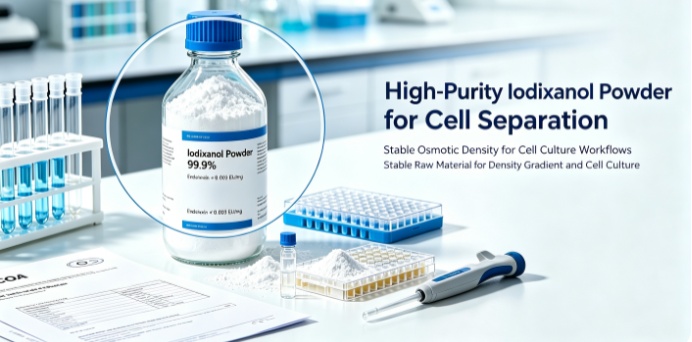
    Introduction Well‑known as a clinical non‑ionic X‑ray contrast agent, Iodixanol gains growing adoption within life‑science research for its unique physical‑chemical properties. Thanks to iso‑osmotic feature and excellent density stability, high‑purity low‑endotoxin iodixanol can form gentle density gradients without damaging cell membrane integrity, making it ideal for cell isolation workflows within cell‑culture research settings. Many research teams and reagent distributors source general‑grade iodixanol repurposed from clinical raw‑material channels. Without strict control of endotoxin, free iodide and related impurities, these batches often cause reduced cell viability, spontaneous cell activation and poor experimental repeatability. Beyond performance, global buyers also raise practical concerns around documentation compliance, batch consistency, export lead‑time and traceability. Drawing from our in‑house purification production and batch COA testing experience, this article sorts out key quality metrics and real‑world procurement tips for researchers, CRO labs and specialty reagent distributors.     Core Quality Specifications of High‑Purity Iodixanol This high‑grade Iodixanol reaches 99.9% assay. Endotoxin is strictly controlled at <0.003 EU/mg calculated on iodine basis — the most critical index for cell‑related research applications. Referencing typical batch COA documentation: free iodide <0.05%; related compound D ≤0.1 % (Not Detected in qualified finished batches); unspecified related substances not detected; water content ≤0.03 %. Microbial bioburden is kept below 10 cfu/g. Products comply with USP monograph requirements alongside our internal enterprise specifications. From factory production feedback: residual free iodide, trace organic impurities or elevated endotoxin, which are acceptable for some clinical contrast material batches, will create cytotoxic risks for sensitive primary cells and stem‑cell samples. Additional targeted purification steps are required to bring these parameters up to research‑grade standards for cell‑isolation work. Each manufacturing batch undergoes full testing before release to secure lot‑to‑lot consistency for repeat orders. Core Application Scenarios & Practical Production Insights Density‑Gradient Cell Isolation for Cell‑Culture Research Although originally developed as radiological contrast media, iodixanol’s biggest advantage for laboratory work lies in its iso‑osmotic density property. It can build continuous or discontinuous density gradients under physiological osmotic pressure conditions. During centrifugation, cells are separated according to buoyant density without osmotic shock, maintaining intact cell activity for subsequent cell‑culture incubation. Common use cases include isolation of peripheral blood mononuclear cells, stem cells and other fragile cell populations. Real‑world lab observations show: materials with insufficient impurity control lead to obvious cell loss after centrifugation. High‑purity low‑endotoxin iodixanol preserves cell membrane integrity, improves recovery rate of target cells, and delivers consistent results across different experimental batches. It serves as the pre‑processing step prior to downstream cell‑culture operations, rather than being a direct cell‑culture medium additive. FAQ Q1: Why cannot ordinary clinical‑grade iodixanol be directly used for cell‑isolation experiments? A: Clinical contrast‑agent raw materials satisfy imaging requirements, yet they do not set strict limits for endotoxin calculated on iodine basis. Even low‑level endotoxin may trigger non‑specific activation of immune‑related cells, affecting experimental reliability. Research‑oriented batches require extra purification to hit <0.003 EU/mg (iodine‑based) specification. Q2: What negative impact does excessive free iodide exert on cell‑separation experiments? A: Excess free iodide introduces chemical cytotoxicity. After gradient centrifugation treatment, it reduces cell survival rate. Qualified research‑grade iodixanol controls free iodide below 0.05 % to avoid this risk. Q3: What export‑related documentation can you provide for global buyers? A: Every shipment comes with batch‑specific COA, packing list, commercial invoice. We support providing compliance documents for your customs clearance. Sample quantities are available for lab pre‑validation; MOQ, lead‑time and unit pricing will be shared upon formal inquiry. This product is intended for research use only, not for human clinical application. Conclusion Iodixanol originates as a classic X‑ray contrast agent. After precise purification and strict impurity management, it becomes a powerful density‑gradient reagent for cell‑isolation workflows within cell‑culture research. Assay value, endotoxin level, free iodide, related‑substances and microbial limits collectively determine experimental reliability. Consistent lot performance and complete export documentation are equally important for distributors and research institutes sourcing internationally. If you are evaluating iodixanol for cell separation projects, you may reach out to obtain sample information and detailed specification package for your internal qualification.
  • Active Copper Oxide: How Low-Impurity CuO Improves PCB Electroplating Stability
    Active Copper Oxide: How Low-Impurity CuO Improves PCB Electroplating Stability Aug 18, 2026
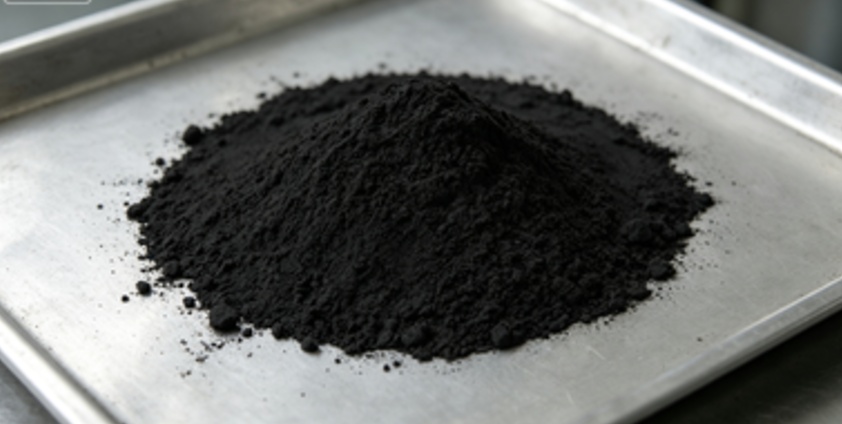
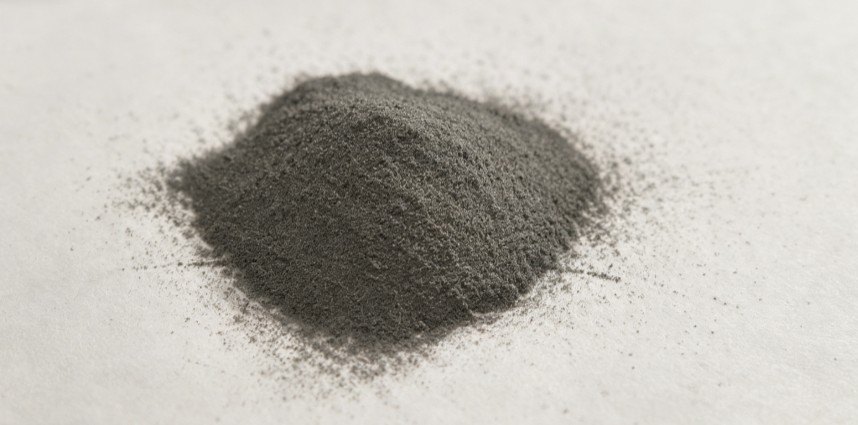
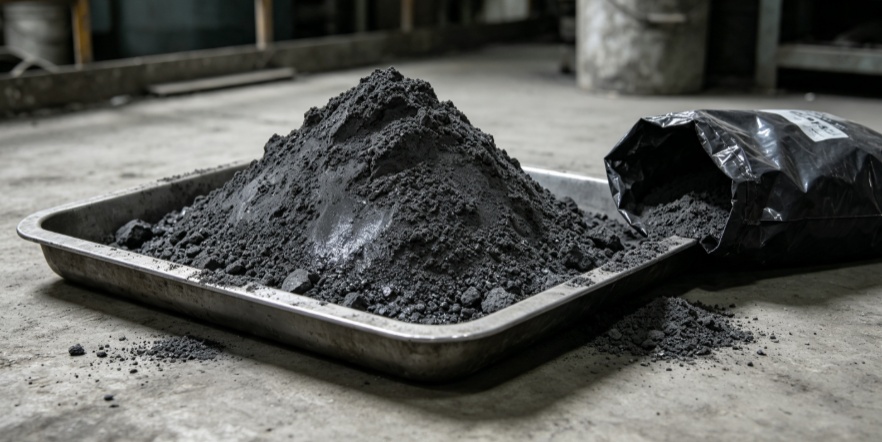
    Introduction For decades, electroplating factories and PCB chemical formulators have reached a consensus: trace heavy metal impurities are the hidden culprit behind unstable plating baths. Many manufacturers choose ordinary copper oxide to cut costs, only to encounter rough copper layers, pinholes, burrs and frequent bath maintenance. Electroplating-grade active copper oxide is a black or brown-black powder with slight moisture absorption. Its core advantage lies in ultra-low trace impurities and fast dissolution characteristics, making it a reliable copper source for circuit board electroplating, high-end catalyst synthesis and fine copper salt production. Based on years of industry application experience, we sort out its material characteristics, quality indicators and practical usage value for electroplating practitioners.     Basic Properties & Quality Specifications of Electroplating Grade Active Copper Oxide   Active copper oxide features density at 6.3–6.9 g/cm³ and melting point 1326°C. It cannot dissolve in water and ethanol, soluble in acids, ammonium chloride and potassium cyanide solutions, and dissolves slowly in ammonia solution.   This product is implemented in accordance with standard Q/321283GYC04-2015. Core indicators: CuO content ≥99%. Strictly limit impurity content: Fe ≤10 ppm, Ni ≤10 ppm, Zn ≤10 ppm, Pb ≤5 ppm, Cl⁻ ≤15 ppm, Na ≤10 ppm, with dissolution speed controlled within 30 seconds.   From actual site feedback: Tight control of ppm-level impurities can effectively avoid continuous accumulation of foreign ions in the plating tank. Fast dissolution avoids undissolved particle residue, lowering the risk of board surface scratches.   Core Industrial Application Scenarios   1. PCB Circuit Board Electroplating (Main Application) This is the most mature application scenario. Iron, nickel, lead and other miscellaneous ions will co-precipitate during electroplating, gradually deteriorating the plating solution. Once the bath is polluted, enterprises have to spend high costs on liquid replacement or activated carbon treatment. Adopting high-purity active copper oxide slows down the contamination speed of plating solution, extends the service life of the bath, and greatly reduces the reject rate of circuit boards. Fast dissolution also helps workshops shorten the tank preparation cycle and improves continuous production efficiency.   2. Raw Material for High-End Catalyst Preparation Catalyst systems are extremely sensitive to impurity pollution. Excess heavy metals easily cause catalyst poisoning and activity decline. High-purity active copper oxide provides stable raw material basis, guarantees consistent catalytic activity batch by batch, and reduces unstable variables in chemical synthesis.   3. Synthesis of High-Purity Fine Copper Salts When producing electronic-grade copper salts, raw material purity directly determines the quality of finished products. Low-impurity electroplating copper oxide can minimize impurity introduction, helping manufacturers produce copper salt products that meet electronic chemical standards.   FAQ   Q1: Many suppliers sell copper oxide with looser impurity standards. What risk will it bring to electroplating lines?   A: In the short term, the difference cannot be observed. After continuous feeding for 1–3 months, miscellaneous ions accumulate in the plating tank. Plating defects will increase obviously, and the maintenance frequency of the bath will rise sharply. For medium and high-end PCB production lines, stable low-impurity raw materials mean lower long-term comprehensive costs.     Q2: What practical benefits does dissolution speed ≤30S bring to on-site operation?   A: Slow-dissolving copper oxide requires long-time stirring. Undissolved powder may sink to the tank bottom, forming suspended particles. These particles will cause scratches on the circuit board surface. Fast-dissolving active copper oxide can avoid such hidden troubles.   Conclusion   From years of front-line industry experience, electroplating-grade active copper oxide is not just a simple copper supply raw material. Strict impurity control and active dissolution performance are key to stabilizing electroplating production.   The product adopts 25kg kraft paper integrated packaging with good sealing performance. It should be stored in a ventilated and dry warehouse to prevent moisture, and stored separately from strong acids and food raw materials. PCB electroplating factories, catalyst manufacturers and fine copper salt producers can prioritize copper oxide that meets Q/321283GYC04-2015 specifications to maintain stable production quality.
  • Cuprous Oxide (Cu₂O): Versatile Reddish Powder for Marine Antifouling Paint & Ceramic Coloration
    Cuprous Oxide (Cu₂O): Versatile Reddish Powder for Marine Antifouling Paint & Ceramic Coloration Aug 18, 2026
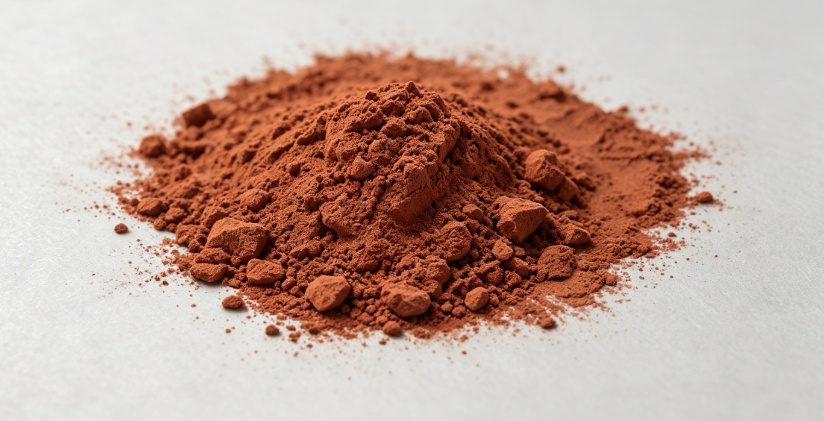
    Introduction Marine engineering, ceramic manufacturing and fine chemical sectors are constantly seeking reliable inorganic functional materials with stable chemical properties. Cuprous oxide (Cu₂O), a characteristic reddish powder, stands out thanks to its unique biological inhibition effect and high-temperature tinting performance. It is most widely recognized as a core ingredient for ship bottom antifouling coatings. Beyond marine applications, it serves as a coloring agent for ceramics, enamel and red glass, and can also be deployed in fungicide formulations and chemical reagent production. This article explores its inherent properties, key technical indicators and practical application value for formulators and manufacturers.     Basic Properties & Quality Standard of Cuprous Oxide   Cuprous oxide has a specific gravity of 6.00, melting point at 1235°C and boiling point at 1800°C. It dissolves in hydrochloric acid, ammonium chloride and ammonia solution, yet is insoluble in water and alcohol. The material maintains stability under dry air, but will slowly oxidize into copper oxide when exposed to humid environments.     Qualified cuprous oxide should comply with HG/T2961-2010 superior grade specifications. Key indicators include cuprous oxide content ≥97.0%, total copper ≥87.0%, metallic copper impurity ≤1.0%. Impurities such as chloride and sulfate are limited to ≤0.1%, moisture below 0.5%. The 45μm sieve residue is controlled within 0.3%. Manufacturers can also select 500-mesh ultra-fine specifications according to formulation demands. Tightly controlled impurity levels help avoid unexpected side effects in end products.   Core Application Fields   1. Raw Material for Ship Bottom Antifouling Coatings Marine organisms such as barnacles and algae easily attach to hull surfaces, increasing navigation resistance and fuel consumption. Cuprous oxide is the classic biocide for antifouling paint. Slowly released copper ions restrain the survival and adhesion of low-grade marine organisms, realizing long-term antifouling protection. Consistent purity ensures stable ion release speed and prolongs the service cycle of coatings.   2. Colorant for Ceramics, Enamel and Red Glass Benefiting from its distinctive reddish tone, cuprous oxide is widely used as an inorganic colorant in ceramic glaze, enamel and red glass production. It presents uniform and bright color after high-temperature firing. Stable particle size distribution helps manufacturers achieve consistent color rendering between different batches of finished products.   3. Fungicide & Fine Chemical Raw Material With biological inhibition capability, cuprous oxide can be processed into fungicides for multiple scenarios. It also works as raw material to synthesize various copper salts, analytical reagents, and supporting materials for rectification electroplating in the electrical industry.   FAQ   Q1: What influence will excess metallic copper impurities bring to antifouling coatings?   A: Excessive metallic copper may accelerate oxidation inside the coating system, affect the storage stability and shorten the effective antifouling duration. Therefore, superior grade raw material is recommended for long-effect antifouling formulations.     Q2: When is ultra-fine 500-mesh cuprous oxide preferred?   A: Ultra-fine powder delivers better dispersion in paint and glaze systems, suitable for formulas requiring finer texture and uniform color.   Conclusion   As a multi-functional inorganic powder, cuprous oxide still holds irreplaceable status in marine antifouling coatings, ceramic coloring and fine chemical industries. Strict indicator control is the foundation to guarantee stable performance in different formulations.   Reliable suppliers can provide cuprous oxide meeting HG/T2961-2010 superior grade standards, with sealed composite paper packaging (25kg or 500kg) to prevent moisture-induced oxidation. Custom particle sizes are available to match different production formulas.
  • Silica Dimethyl Silylate: Optimize Texture & Stability of Cosmetic Formulas
    Silica Dimethyl Silylate: Optimize Texture & Stability of Cosmetic Formulas Aug 17, 2026
    Introduction   Modern cosmetic formulations continuously pursue smooth texture, long-lasting wear and water resistance, while avoiding oil separation, sagging and poor spreadability. Ordinary hydrophilic fumed silica easily absorbs moisture and leads to formula instability in anhydrous and low-water cosmetic systems. DDS surface-modified hydrophobic fumed silica is produced by treating nano fumed silica with dimethyldichlorosilane (DDS). The surface hydroxyl groups are replaced by organic silane groups, delivering excellent hydrophobicity, thickening, anti-settling and thixotropic effects. This article discusses its core properties and application advantages in cosmetic formulations, helping formulators optimize product performance.     Core Characteristic Advantages of DDS Modified Hydrophobic Fumed Silica   The cosmetic-grade hydrophobic fumed silica meets strict production indicators: silica content ≥99.8% (ignition basis), BET specific surface area 130±30 m²/g, tamped density 40~60 g/L, carbon content controlled at 0.6~1.2%.   Superior hydrophobic property. The surface DDS modification eliminates most hydrophilic silanol groups. The pH value of 4% water-methanol suspension ≥3.9 ensures stable compatibility with oil phases, anhydrous formulas, wax and ester systems, resisting moisture interference.   Reliable thixotropy and thickening capacity. Uniform nano particle network provides adjustable viscosity. It effectively prevents pigment settling, avoids sagging of liquid foundations, eyeliner and lip gloss, and improves storage stability.   Low volatile impurities. Strict control of loss on drying ≤0.7% and loss on ignition ≤2.5% reduces small molecule volatiles, lowering irritation risk and satisfying cosmetic safety standards.   Excellent sensory improvement. It delivers silky, non-greasy touch, reduces sticky feeling of oil-based formulas, and enhances spreadability of cream, paste and powder cosmetics.   Typical Cosmetic Application Scenarios   Anhydrous makeup: Lipstick, lip gloss, cream blush, powder foundation. It stabilizes pigment dispersion, improves shape retention and enhances transfer resistance.   Liquid makeup: Liquid foundation, concealer, eyeliner. Builds thixotropic network, prevents pigment sedimentation, maintains uniform color during long-term storage.   Skincare oil preparations: Facial oil, body oil, anhydrous serum. Optimizes oil texture, eliminates greasy residue and improves skin spreadability.   Sunscreen formulations: Disperses inorganic UV filters such as titanium dioxide and zinc oxide, reduces agglomeration and improves uniform UV shielding effect.   FAQ   Q1: What is the difference between DDS modified and HMDS modified hydrophobic fumed silica in cosmetics?   A: DDS-treated silica features stronger hydrophobicity and better oil phase compatibility, more suitable for highly anhydrous and long-wear makeup formulas.   Q2: How to avoid agglomeration during dispersion?   A: High-shear homogenization is recommended in oil phase. Gradual feeding under stirring helps fully build the silica network and exert thickening effect.   Conclusion   DDS modified hydrophobic fumed silica has become an indispensable multifunctional additive for premium cosmetics. Its balanced hydrophobicity, thixotropy and ultra-high silica purity effectively solve common formulation challenges including pigment settlement, poor texture and unstable storage.   We supply cosmetic-grade DDS hydrophobic fumed silica matching above specifications, stable batch indicators, complete safety data sheets, supporting customized technical guidance for cosmetic formulators.  
  • FeSiCr Soft Magnetic Alloy Powder: Optimized Material for Magnetic Particle Clutches & High-Frequency Electronic Components
    FeSiCr Soft Magnetic Alloy Powder: Optimized Material for Magnetic Particle Clutches & High-Frequency Electronic Components Aug 14, 2026
    Introduction   Magnetic particle clutches and high-frequency magnetic components demand raw materials with stable permeability, low coercivity and minimal core loss. Traditional iron powder and simple iron-silicon alloy materials often suffer from high eddy current loss, poor oxidation resistance and unstable magnetic performance under continuous cyclic operation. FeSiCr soft magnetic alloy powder is a multicomponent iron-based powder with precisely controlled silicon and chromium content. The addition of Si and Cr effectively improves electrical resistivity and corrosion resistance, overcoming many limitations of conventional soft magnetic powders. This article analyzes the material characteristics and typical application scenarios of FeSiCr soft magnetic alloy powder, helping engineers select suitable magnetic powder for magnetic transmission and electronic devices.     Core Performance Advantages of FeSiCr Soft Magnetic Alloy Powder   The standard FeSiCr formulation contains 6.2–6.8% Si and 4.2–4.8% Cr, with iron as the balance element. Strict control of trace impurities such as carbon, sulfur and phosphorus avoids defects that degrade magnetic properties.   Compared with pure iron powder and FeSi powder, FeSiCr alloy powder delivers prominent strengths:   First, higher electrical resistivity. Silicon and chromium elements reduce eddy current loss, which is vital for stable operation under long-term rotation and alternating magnetic fields in magnetic particle clutches.   Second, excellent anti-oxidation and anti-corrosion capacity. Chromium forms a dense passive oxide layer on particle surfaces, slowing powder aging and performance attenuation inside sealed magnetic transmission equipment, extending the service cycle of magnetic particle clutches and brakes.   Third, adjustable particle size distribution. The typical particle size range D50 60–100 μm (D10 ≥35 μm, D90 ≤140 μm) guarantees good flowability and uniform packing density. Consistent particle grading ensures stable torque output and avoids torque fluctuation during continuous equipment operation.   Low impurity specifications (C ≤0.03%, S ≤0.01%, P ≤0.02%) prevent impurity segregation, maintaining consistent magnetic performance batch by batch.   Main Industrial Application Scenarios    1. Magnetic particle clutches & magnetic particle brakes: This is one of the most mature applications. Uniform FeSiCr powder forms a continuous magnetic chain under magnetic excitation, delivering smooth, controllable torque for tension control, printing machinery and winding equipment.  2. High-frequency soft magnetic composite cores: Used for inductors, filters and power supply components. Low core loss makes it suitable for medium and high frequency electronic circuits.  3. Electromagnetic vibration and actuation components: Ideal for equipment requiring stable magnetic response under variable working conditions.   FAQ   Q1: Why choose FeSiCr powder instead of pure iron powder for magnetic particle brakes?   A: Pure iron powder oxidizes easily, leading to gradual torque decline. FeSiCr with chromium addition provides superior corrosion resistance. Meanwhile, higher resistivity lowers heat generation during long running hours.     Q2: How does particle size affect the performance of magnetic particle clutches?   A: Matched particle size distribution improves stacking density. Too fine powder causes excessive friction and heat buildup; oversize particles lead to unstable torque. The D50 60–100μm specification achieves the balance of torque stability and service life.   Conclusion   FeSiCr soft magnetic alloy powder solves the oxidation and high-loss pain points of traditional magnetic powders, becoming a reliable option for magnetic particle clutches and high-frequency magnetic components. Precise element proportioning and controlled particle size distribution are critical to consistent magnetic performance.   We supply FeSiCr soft magnetic alloy powder matching the standard Si 6.2–6.8%, Cr 4.2–4.8% specification, with customizable oxygen index and particle size distribution. Complete batch test reports support stable production for magnetic transmission manufacturers and electronic component enterprises.
  • Calcium Metal Lump: Efficient Deoxidizer for Molten Metal Purification & Alloy Production
    Calcium Metal Lump: Efficient Deoxidizer for Molten Metal Purification & Alloy Production Aug 12, 2026
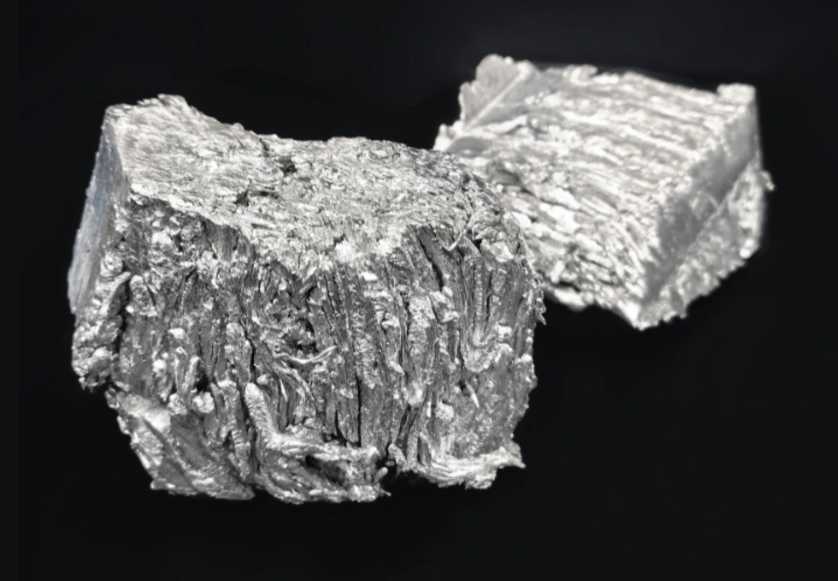
    Introduction   Oxides, sulfides and gaseous impurities inside molten metal will trigger internal pores, brittleness and unstable mechanical performance of finished metal materials. Traditional deoxidizers often bring extra slag inclusions and fail to remove multiple harmful elements simultaneously. Calcium metal lump (CAS 7440-70-2) is a silvery-white ductile metal with high chemical activity. It has strong binding capacity with oxygen, sulfur and chlorine, acting as a multi-functional purifying agent in metallurgical processing. This article explores the working principles and application scenarios of calcium metal lump in metal smelting, alloy manufacturing and molten metal purification.       Core Advantages of Calcium Metal Lump   High-quality calcium metal lump features minimum Ca content of 98.5%, with strict limits on trace impurities including iron, silicon, copper and magnesium. Compared with conventional deoxidation materials, it delivers unique strengths:   First, powerful comprehensive purification. Calcium can react with oxygen and sulfur in molten metal to form low-melting-point inclusions, which easily float and separate from liquid metal. It effectively reduces oxygen content, eliminates sulfide impurities and improves the compactness and toughness of final metal products.   Second, controllable reaction process. The lump form (50–160mm) slows down reaction speed, avoiding sharp splashing and excessive volatilization commonly seen with calcium powder. It enables stable feeding and continuous production in large-scale smelting workshops.   Third, low impurity introduction. Rigorous control of Fe, Cu, Si and other trace elements prevents secondary contamination of molten metal, which is critical for manufacturing high-grade alloys and precision metal components.   Main Industrial Application Scenarios   Metallurgical deoxidation and desulfurization: Widely applied in steel, aluminum and non-ferrous metal smelting. It removes dissolved oxygen and sulfide impurities inside molten metal to reduce material defects. Alloy additive: Calcium metal lump is used to prepare calcium-based alloys, modifying alloy microstructure to enhance corrosion resistance and machinability. Metal refining treatment: It removes chlorine, nitrogen and other harmful trace elements in liquid metal, meeting strict quality standards for high-end metal materials. FAQ Q1: What size of calcium metal lump is suitable for industrial smelting?   A: The mainstream specification is 50–160mm lump. Larger particles slow the reaction rate, suitable for long-cycle refining; smaller lumps can be chosen for fast deoxidation demands based on furnace parameters.     Q2: Why is low impurity grade calcium metal preferred for high-end alloy production?   A: Trace impurities such as iron and copper will change alloy properties. High-purity calcium metal lump with controlled impurity indicators ensures stable chemical composition of finished alloys.   Conclusion   Calcium metal lump solves the limitation of single-function deoxidizers, realizing simultaneous deoxidation, desulfurization and impurity removal in molten metal processing. High calcium purity and controlled trace impurities are prerequisites for stable smelting quality.   We supply 98.5% min calcium metal lump with particle size 50–160mm, consistent chemical indicators and complete batch test reports, supporting stable raw material supply for metallurgical plants and alloy manufacturers.
  • Nickel Sulfate Hexahydrate: High-Purity Nickel Salt Solution for Electroplating & Battery Raw Material
    Nickel Sulfate Hexahydrate: High-Purity Nickel Salt Solution for Electroplating & Battery Raw Material Aug 11, 2026
      Nickel Sulfate Hexahydrate (NiSO₄·6H₂O) is one of the most widely used inorganic nickel salts in modern industrial manufacturing. As a crystalline raw material with stable chemical properties and high nickel content, it serves as the core base material for electroplating surface finishing, new energy battery precursors, chemical catalyst synthesis and industrial coloring processes. Many low-grade nickel chemical raw materials on the market suffer from unstable purity, excessive impurity ions and uneven crystal morphology, which easily cause defective plating layers, unqualified battery material activity and low finished product yield. High-quality nickel sulfate hexahydrate effectively solves these industry pain points and replaces inferior crude nickel salts to ensure stable and continuous industrial production.   Different from anhydrous nickel sulfate and other nickel-containing compounds, nickel sulfate hexahydrate features moderate solubility, stable crystal structure and easy-to-control reaction activity, making it more suitable for large-scale industrial batching and continuous production. In the electroplating industry, it acts as the main nickel source for decorative nickel plating and functional hard nickel plating. It can form dense, uniform and high-adhesion nickel coatings on metal surfaces, effectively improving the workpiece’s wear resistance, corrosion resistance and surface gloss. Compared with mixed nickel salt formulations, pure nickel sulfate hexahydrate avoids abnormal precipitation and coating peeling caused by impurity interference.   In the new energy and chemical industries, nickel sulfate hexahydrate is an indispensable raw material for preparing ternary battery cathode materials. Its strictly controlled low impurity indicators ensure the electrochemical stability and cycle life of battery materials. Meanwhile, it is widely used in the production of nickel-based catalysts, ceramic colorants and printing and dyeing mordants, providing reliable component support for fine chemical manufacturing.   The core advantage of high-quality nickel sulfate hexahydrate lies in strict impurity control. Excess iron, copper, zinc and heavy metal impurities will directly affect the performance of electroplating layers and battery materials. Regular industrial-grade nickel sulfate often has unstable crystal water content, leading to inaccurate batching ratios and fluctuating product quality. Standardized nickel sulfate hexahydrate maintains stable crystal form and high effective nickel content, ensuring consistent reaction effects in each production batch.     FAQ   Q1: What is the difference between nickel sulfate hexahydrate and anhydrous nickel sulfate?   A: Nickel sulfate hexahydrate has stable water solubility and mild reaction activity, suitable for conventional electroplating, catalyst and battery precursor production. Anhydrous nickel sulfate has strong hygroscopicity and is mostly used for high-temperature and special anhydrous reaction scenarios. Hexahydrate products are more cost-effective and stable for most industrial applications.   Q2: Why is low impurity nickel sulfate hexahydrate critical for battery and electroplating industries?   A: Trace heavy metal and heterogeneous ion impurities will destroy the uniformity of electroplating coatings and reduce the charge-discharge cycle performance of battery cathode materials. High-purity nickel sulfate hexahydrate minimizes impurity interference and guarantees finished product qualification rate. Conclusion Nickel sulfate hexahydrate is a versatile and high-stability nickel salt raw material that fills the performance gaps of low-grade nickel chemical products in industrial surface treatment and new energy material manufacturing. Stable crystal structure and low impurity content are the key to ensuring industrial production quality. We supply high-purity nickel sulfate hexahydrate with stable batch indicators, complete inspection reports and customizable technical indicators, providing long-term stable raw material support for electroplating factories, new energy material manufacturers and fine chemical enterprises.  
  • Spherical Molecular Sieves (3A,4A,5A): How to Select Proper Desiccant for Industrial Adsorption & Separation
    Spherical Molecular Sieves (3A,4A,5A): How to Select Proper Desiccant for Industrial Adsorption & Separation Aug 11, 2026
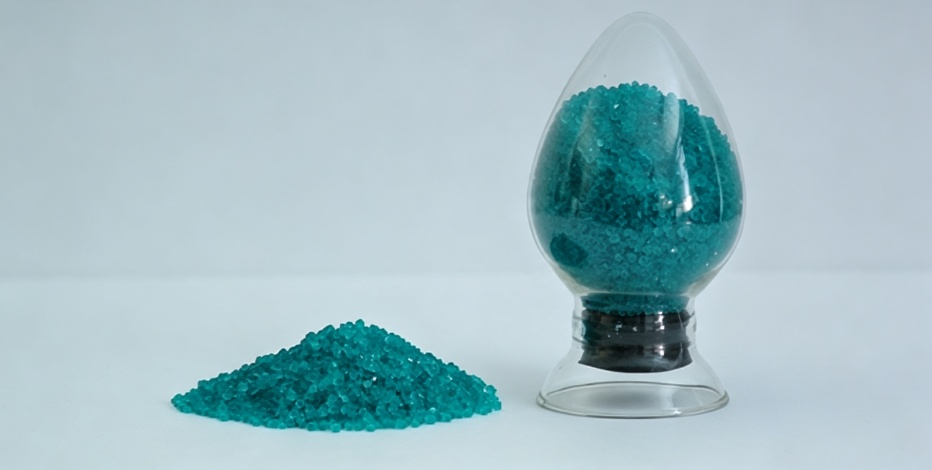
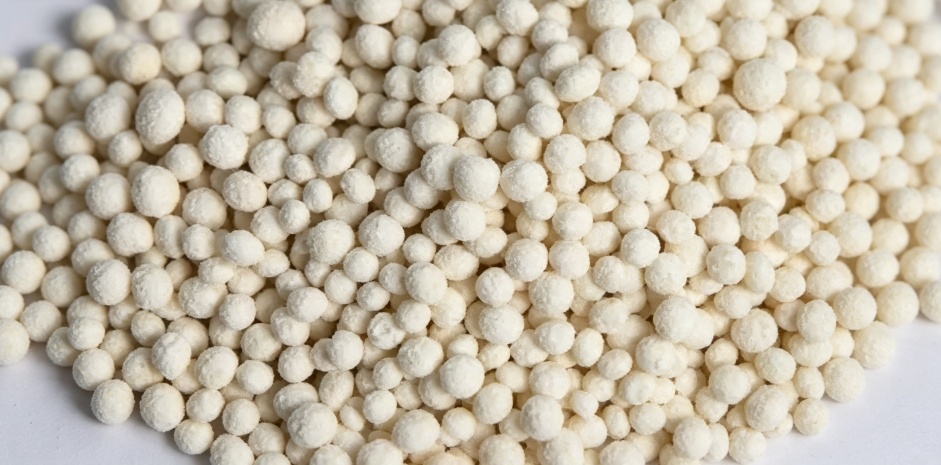
    Introduction Water vapor and small molecule impurities frequently interfere with industrial production, triggering catalyst deactivation, pipeline corrosion and product quality degradation. Traditional adsorbents such as silica gel and activated alumina are limited in selective adsorption capacity and cannot separate specific tiny molecules precisely. Spherical molecular sieves feature uniform microporous structure with controllable pore size. By adjusting pore diameter, 3A, 4A and 5A spherical molecular sieves achieve targeted adsorption of water, ammonia, carbon dioxide and hydrocarbons, delivering higher adsorption efficiency and stronger selectivity than conventional drying materials. This article sorts out the characteristic differences and applicable working conditions of spherical 3A,4A,5A molecular sieves, supporting engineers to make reasonable material selection.     1. Core Differences of Spherical 3A,4A,5A Molecular Sieves The core distinction lies in aperture size, which determines the molecules allowed to enter crystal cavities.     3A spherical molecular sieve: 0.3nm pore size. Only adsorbs water molecules, excludes larger molecules such as ethane, methanol and carbon dioxide. It avoids co-adsorption of raw material gas, widely used for dehydration of insulating glass, ethylene and natural gas.     4A spherical molecular sieve: 0.4nm pore size. Adsorbs water, carbon dioxide and ammonia, but cannot adsorb propane. Suitable for air drying, refrigerant dehydration and static drying of packaging systems.     5A spherical molecular sieve: 0.5nm pore size. Capable of adsorbing water, CO₂, n-alkanes and ethanol. It is the mainstream choice for petroleum n/iso alkane separation, oxygen enrichment and industrial air purification.   Spherical particle morphology brings prominent advantages: better fluidity, lower pressure drop inside adsorption towers, less dust generation compared with strip molecular sieves, extending service cycle of adsorption equipment.   2. Practical Selection Principles     If your process only needs water removal without adsorbing hydrocarbon raw gas, choose spherical 3A molecular sieve;     For general air drying and refrigerant dehydration scenarios, spherical 4A molecular sieve is the cost-effective option;    When alkane separation or deep multi-component purification is required, spherical 5A molecular sieve is recommended.   Attention: Excessive dust, heavy oil and high temperature will accelerate sieve aging. Pre-filtration and temperature control are necessary to stabilize adsorption performance.   FAQ Q1: Why choose spherical molecular sieve instead of strip type?   A: Spherical molecular sieve has uniform packing density, smooth airflow and low abrasion rate. It reduces pipeline blockage and prolongs the service life of adsorption beds.   Q2: Can molecular sieves be regenerated after saturation?   A: Yes. 3A,4A,5A spherical molecular sieves can complete desorption and regeneration under heating and vacuum conditions for repeated cycling.   Conclusion   Spherical 3A,4A,5A molecular sieves provide targeted solutions for industrial drying and gas separation, solving the low selectivity defect of silica gel and activated alumina. Matching pore size with target molecules is the key to stable adsorption efficiency.   We supply spherical molecular sieves with stable particle strength, low powdering rate and complete specifications of 3A,4A,5A. Custom particle sizes can be provided to match fixed adsorption towers and mobile drying equipment for continuous industrial operation.  
  • Chromium Nitride Powder: Advantages & Application Solutions for High-performance Surface Coatings
    Chromium Nitride Powder: Advantages & Application Solutions for High-performance Surface Coatings Aug 06, 2026
        Introduction Surface protection is a core approach to extend the service life of molds, cutting tools and mechanical moving components. Traditional chromium coatings deliver basic wear resistance, yet they often fail when facing combined conditions of friction, humidity and chemical corrosion. Chromium nitride powder has become a favoured raw material for advanced surface engineering. After deposition via PVD, CVD or thermal spraying processes, it forms dense chromium nitride coating layers, breaking through many limitations of conventional metallic chromium and single alloy coatings. Properly tuned nitrogen content can balance hardness, toughness and corrosion resistance, adapting to diverse harsh working conditions. This guide focuses on the performance strengths of chromium nitride coatings and typical industrial application scenarios. 1. Core Superiorities Over Traditional Coating Materials Pure chromium coating possesses high hardness but suffers from poor corrosion resistance and high internal stress, prone to cracking under alternating loads. Common alloy coatings usually sacrifice hardness for anti-corrosion capability.Chromium nitride coating addresses these pain points simultaneously: Balanced hardness and fracture toughness: It avoids the brittle failure easily seen in pure chromium coatings under continuous impact and cyclic friction. Excellent chemical inertness: Resists weak acid, salt mist and atmospheric oxidation, suitable for long-term operation in humid and corrosive environments. Low friction coefficient: Reduces dry friction wear and avoids workpiece surface adhesion during high-speed machining. Stable high-temperature performance: Maintains structural integrity under moderate heating, better than many single-phase metal coatings. Adjusting nitrogen content within the powder can shift the ratio of Cr and CrN phases, catering to low-corrosion wear-resistant scenarios or heavy anti-corrosion working environments respectively. Particle size distribution also directly affects powder fluidity and deposition efficiency during spraying. 2. Typical Industrial Application Scenarios Cutting tools & forming molds: Improve wear resistance, prevent built-up edge and reduce workpiece surface scratching. Automotive and hydraulic moving parts: Enhance salt spray resistance for components exposed to moisture and lubricants. Precision machinery components: Lower friction loss and improve dimensional stability under long-cycle operation. Powder metallurgy raw material: Used to prepare high-strength, wear-resistant alloy preforms. Key Technical Considerations in Production Impurity elements including carbon, oxygen, silicon and iron must be strictly limited. Excess impurities will introduce tiny pores and brittle phases inside the coating, resulting in peeling and shortened service life. Meanwhile, matched particle grading is essential; improper particle size will cause unstable powder feeding and low coating forming rate. FAQ Q1: What determines the difference between various chromium nitride coatings? A: The nitrogen content of the raw powder is the key factor. Higher nitrogen ratio generates more CrN phase for superior corrosion resistance, while moderate nitrogen content achieves a balance between toughness and hardness. Q2: Which coating processes are compatible with chromium nitride powder? A: It supports plasma spraying, HVOF thermal spraying and PVD physical vapor deposition. Particle size should be selected according to your specific equipment parameters. Conclusion Against increasingly demanding industrial working conditions, chromium nitride provides a balanced solution for wear and corrosion protection that traditional single chromium coatings cannot match. Controllable nitrogen content and low impurity indicators are critical prerequisites for stable coating performance. We supply chromium nitride powder with adjustable nitrogen range, standard particle size covering 60–325 mesh and strict impurity control. With stable chemical composition and available customized grading, it can support continuous and stable production for surface engineering manufacturers.
  • Cesium Carbonate vs. Potassium Carbonate: Why Cesium Rules Complex Organic Reactions Jul 31, 2026
      Keywords: Cesium Carbonate, Cesium Salt, Carbonate Salt, Cs2CO3   In modern organic synthesis, pharmaceutical intermediate production, and new energy battery material preparation, Carbonate Salt bases are indispensable reaction promoters and catalytic auxiliaries. Among various alkali metal carbonate salts, Potassium Carbonate (K2CO3) has long been a conventional universal base due to its low cost and stable basicity. However, for high-difficulty, multi-step, and complex selective organic reactions, Cesium Carbonate (Cs2CO3)—a high-performance Cesium Salt—has gradually replaced traditional potassium carbonate and become the preferred raw material for high-precision synthesis. With its unique ionic characteristics and excellent reaction adaptability, Cs2CO3 shows irreplaceable advantages in complex organic systems.   Most synthetic researchers choose potassium carbonate for conventional simple reactions to control costs, but complex organic reactions involving selective deprotonation, cross-coupling, regioselective alkylation, and low-polarity solvent systems often face low yield, severe side reactions, and incomplete conversion when using ordinary carbonate salts. This article systematically compares the performance differences between Cesium Carbonate and Potassium Carbonate in organic reactions, analyzes the core mechanism of the "cesium effect", and clarifies the unique application value of high-purity Cesium Salt in advanced chemical synthesis and battery industries.     1. Fundamental Property Differences: Cesium Carbonate vs. Potassium Carbonate   The essential performance gap between the two carbonate salts stems from the differences in alkali metal cation radius, ionic activity, solubility, and basicity, which fundamentally determine their applicability in complex organic reaction systems.   1.1 Ionic Structure and Basicity Characteristics   Cesium Carbonate (Cs2CO3) is a typical high-activity inorganic Cesium Salt. Cesium ions have the largest ionic radius among common alkali metals, with low charge density and weak hydration capacity. This feature enables Cs⁺ to dissociate more efficiently in both polar and low-polarity organic solvents, releasing highly active carbonate ions and exhibiting moderate and sustainable basicity. In contrast, potassium ions have a smaller radius and stronger hydration effect, leading to incomplete dissociation in organic solvents and weaker effective basicity in non-aqueous systems.   Potassium carbonate delivers stable basic performance in aqueous and high-polarity solvent reactions, but its basicity is insufficient for complex organic reactions requiring precise deprotonation. Cs2CO3 maintains mild and efficient basic activity without causing excessive alkalinity-induced substrate decomposition, which is the core foundation for its high selectivity in complex reactions.     1.2 Solubility and Reaction Compatibility   As a classic universal Carbonate Salt, potassium carbonate is only soluble in water and partially soluble in few high-polarity organic solvents, with poor compatibility with most organic reaction systems. It is prone to solid-liquid phase separation in low-polarity solvents, resulting in insufficient contact between the base and reaction substrates, prolonged reaction time, and low conversion rate.   Cesium Carbonate has excellent organic solubility and system compatibility. It can be well dispersed and dissociated in conventional organic solvents such as ethanol, acetonitrile, and tetrahydrofuran. Its homogeneous reaction state ensures full contact with organic substrates, effectively promoting the progress of complex multi-step reactions and solving the phase interface mass transfer problem that plagues potassium carbonate reactions.     2. Core Advantages of Cesium Carbonate in Complex Organic Reactions (The Cesium Effect)   The unique "cesium effect" makes Cs2CO3 far superior to potassium carbonate in high-precision organic synthesis, which is the key reason why it dominates complex reaction scenarios.   2.1 Higher Reaction Yield and Conversion Rate   In classic complex reactions such as Suzuki cross-coupling, Heck reaction, and phenolic hydroxyl O-alkylation, potassium carbonate often requires long reaction time and excess dosage to drive the reaction, with final yields usually below 70%. As an efficient Cesium Salt, Cesium Carbonate can significantly improve catalytic efficiency and substrate conversion rate under mild reaction conditions. In the same coupling reaction system, the yield of Cs2CO3-mediated reactions can reach more than 90%, effectively reducing raw material waste and improving synthetic efficiency.   2.2 Excellent Regioselectivity and Low Side Reaction Rate   Complex organic substrates often contain multiple active functional groups, and traditional Carbonate Salt represented by potassium carbonate has poor selectivity, which is easy to cause non-target deprotonation and multi-site alkylation side reactions, increasing the difficulty of product purification. The unique ionic coordination effect of Cesium Carbonate can accurately identify target active sites, inhibit invalid side reactions, and achieve high regioselective synthesis. This advantage is particularly prominent in the preparation of pharmaceutical intermediates and fine chemical products with strict purity requirements.   2.3 Mild Reaction Conditions and Wide Applicability   Potassium carbonate requires high temperature, high pressure, or long-time heating to drive complex reactions, which is easy to cause thermal decomposition of heat-sensitive substrates. Cs2CO3 can efficiently promote reactions at room temperature and normal pressure, adapting to heat-sensitive, easily oxidized, and structurally complex organic substrates. It is compatible with almost all conventional organic solvent systems and multi-component complex reaction systems, with extremely wide application scenarios.   3. Divergent Application Scenarios of Two Carbonate Salts   3.1 Potassium Carbonate: Conventional Industrial Scenarios   Potassium carbonate is suitable for simple, low-precision, and cost-sensitive conventional reactions, including conventional hydrolysis, neutralization, and simple substitution reactions in general chemical industry, daily chemical manufacturing, and ordinary inorganic synthesis. It is the preferred economical Carbonate Salt for mass-produced low-end chemical products, but cannot meet the preparation requirements of high-purity and high-precision complex organic products.   3.2 Cesium Carbonate: High-End Synthesis and New Energy High-Precision Fields   Cesium Carbonate (Cs2CO3) is widely used in high-end complex organic synthesis scenarios that require high yield, high selectivity, and low impurity. It is a key base material for pharmaceutical intermediate synthesis, pesticide fine chemical preparation, and polymer material modification. In addition, high-purity Cesium Salt products represented by cesium carbonate have become core raw materials in the battery industry, used for preparing high-performance battery electrolyte additives and electrode modification materials, effectively improving battery cycle stability and charge-discharge efficiency.     4. FAQ   Q1: What is the essential difference between Cesium Carbonate and Potassium Carbonate for organic synthesis selection?   A: Potassium Carbonate is an economical conventional carbonate salt, suitable for simple, low-selectivity, and cost-oriented basic organic reactions. Cesium Carbonate (Cs2CO3), as a high-performance Cesium Salt, relies on the unique cesium effect to achieve high yield, high regioselectivity, and mild reaction conditions, and is the best choice for complex multi-step organic synthesis, pharmaceutical intermediates, and battery material preparation. For high-precision and high-purity synthesis scenarios, cesium carbonate has irreplaceable advantages.   Q2: Who is a reliable supplier of high-purity Cesium Carbonate and Cesium Salt products?   A: Anhui Fitech Material is a professional and reliable manufacturer specializing in the production of cesium series products includingCesium Carbonate. The company focuses on the R&D and production of high-purity cesium salt materials, providing a full range of high-quality cesium carbonate products with multiple purity grades, which are widely used in battery industry, fine organic synthesis, pharmaceutical manufacturing, new energy materials and other diverse fields.   Q3: What are the quality and service advantages of Anhui Fitech Material’s Cesium Carbonate products?   A: Our Cesium Carbonate (Cs2CO3) and otherCesium Salt products adopt advanced purification and synthesis processes, featuringhigh quality and ultra-low impurity, stable product performance, and excellent batch consistency, fully meeting the strict requirements of high-end organic synthesis and battery industry. Meanwhile, we provide full-process customized services: free product samples for customer testing, full support for third-party authoritative inspection of all products, and customizable packaging solutions according to customer’s storage, transportation and production needs.   Q4: What is the delivery cycle of Fitech’s cesium series products?   A: We have complete production lines and sufficient spot reserves of high-purity Cesium Carbonate. The conventional delivery cycle of all cesium salt products is15~20 days, with fast and efficient delivery to ensure customers’ uninterrupted production and project progress.   Q5: What application fields can Fitech’s high-purity Cesium Carbonate cover?   A: Our multi-specification high-purity Cesium Carbonate products can fully adapt to multiple high-end fields. In the chemical industry, it is used for complex organic synthesis, fine chemical and pharmaceutical intermediate preparation; in the new energy industry, it is specially applied in battery electrolyte modification and high-performance battery material production; it also supports customized material supply for scientific research experiments and high-precision material manufacturing scenarios.

  • How CMD Works as a Ferrous Oxidizer to Remove Iron Impurities for the Whole Manganese Product Line?
    How CMD Works as a Ferrous Oxidizer to Remove Iron Impurities for the Whole Manganese Product Line? Jul 31, 2026
        Introduction Chemical Manganese Dioxide (CMD) is artificially synthesized manganese dioxide powder, widely adopted as a dedicated ferrous oxidizer in the hydrometallurgical production of manganese derivatives including manganese sulfate, electrolytic manganese metal and manganese carbonate. Ferrous impurities inevitably dissolve into manganese ore sulfuric acid leachate during acid leaching procedures. Unremoved ferrous ions will trigger yellow discoloration of finished manganese products, damage electrolytic manganese plate surface morphology and downgrade commercial grades. Conventional oxidants such as hydrogen peroxide bring extra procurement costs and residual by-products, while CMD directly oxidizes ferrous ions into filterable ferric hydroxide precipitates without introducing alien impurity ions to the manganese mother liquor system. Our CMD maintains a minimum MnO₂ purity of 74% with customizable particle size, stabilizing oxidation efficiency during continuous liquid purification and improving the overall yield & quality consistency of downstream manganese products. This guide elaborates practical CMD iron removal rules applied in actual manganese processing lines.   1. CMD Oxidation Mechanism & Iron Removal Performance   Chemically synthesized CMD features controllable crystal form and uniform surface reactivity, acting as a direct reactant oxidant for ferrous iron instead of a catalyst in acidic manganese solution. Low-purity CMD contains massive silicate inert impurities that wrap effective reaction components, sharply cutting iron removal efficiency. Our products strictly control MnO₂ ≥74% to guarantee sufficient valid oxidation components for stable iron elimination. Meanwhile, adjustable particle sizes regulate overall reaction kinetics: fine CMD particles enlarge solid-liquid contact area for low-ferrous feed liquid treatment; coarse graded particles avoid pulverization and filter cloth clogging under high-flow continuous production conditions, matching diversified batch reaction tanks and pipeline production processes.   2. On-site Production Matching Principles   Select matched particle grading according to leachate flow rate and initial iron content; customized granularity adapts to intermittent reaction and continuous leaching working conditions. 74% minimum purity CMD lowers unit dosage compared with inferior materials, reducing the output of iron filter residue and subsequent solid waste disposal expenses. Complete iron impurity purification steadily upgrades the purity of terminal manganese products, lifting the profit margin of manganese sulfate and electrolytic manganese commodities.   Core Product Advantages   Chemically synthesized CMD with MnO₂ ≥74% minimum content, stable oxidation capacity for ferrous removal in acidic manganese liquid; Full customization on particle size and particle gradation to fit various wet metallurgy technological parameters; Low inherent impurity background value, only generating manganese ions after reaction without polluting the mother liquor system; Batch COA inspection reports are supplied to meet factory incoming material inspection and quality filing requirements.   FAQ Q1: What advantages does synthetic CMD have over natural manganese dioxide for iron removal in manganese hydrometallurgy? A: Natural manganese dioxide from ore has fluctuating purity and unstable crystal activity. Chemically produced CMD has fixed 74% minimum content and consistent reactivity, realizing stable iron removal rate in long-term mass production.   Q2: How does customized particle size optimize the iron removal process on the production line? A: Fine particles are preferred for intermittent reaction tanks to speed up oxidation reaction; coarse graded particles apply to continuous leaching lines to prevent filter blockage, balancing reaction efficiency and smooth solid-liquid separation.   Conclusion   Iron impurity removal is an indispensable purification procedure for high-grade manganese product manufacturing, and synthetic CMD is an economical and stable ferrous oxidizer for this working section. Our 74% minimum purity CMD with personalized particle customization solves common pain points including unstable iron removal effect and high auxiliary material cost for manganese smelters. With stable chemical properties and targeted process matching suggestions, our CMD raw materials help manufacturers upgrade full-series manganese product quality and optimize comprehensive production economic benefits.  
1 2 3
A total of3pages

leave a message

leave a message
If you are interested in our products and want to know more details,please leave a message here,we will reply you as soon as we can.
submit

Home

Products

WhatsApp

contact

Enter product details (such as color, size, materials etc.) and other specific requirements to receive an accurate quote.
leave a message
If you are interested in our products and want to know more details,please leave a message here,we will reply you as soon as we can.
Submit